Installation cost comes down to five things: how much ground has to move, what the pool is built from, what equipment goes on the pad, how hard the site is to reach, and what local code requires for barriers and electrical work. Any one of these can swing a project further than the size of the pool itself.
What is the biggest cost driver in a pool build?
Excavation and structural work usually cost more than anything visible above the waterline. Moving earth, forming and pouring a shell, and tying it into plumbing and electrical rough-in is labor-intensive, permit-governed work that varies enormously by soil type, slope and access — which is exactly why it can’t be quoted in general terms.
Rock, high water tables, or a yard that needs retaining work all add time and cost before a single tile is laid. A site that a truck can drive straight into will almost always cost less to build on than one that requires equipment to be walked in by hand.
Does the type of pool structure change the price?
Yes — vinyl liner, fiberglass and concrete pools have different cost profiles because of how they’re built and what they need on site. Fiberglass shells arrive pre-formed and go in fast; concrete is built in place and takes longer; vinyl liner sits between the two. Local labor availability shifts this further.
The comparison is covered in more depth in this look at vinyl liner, fiberglass and concrete pools, which explains what each option actually involves rather than which one is “best,” since the right structure depends heavily on soil, climate and how the pool will be used.
How much does the equipment pad add to the cost?
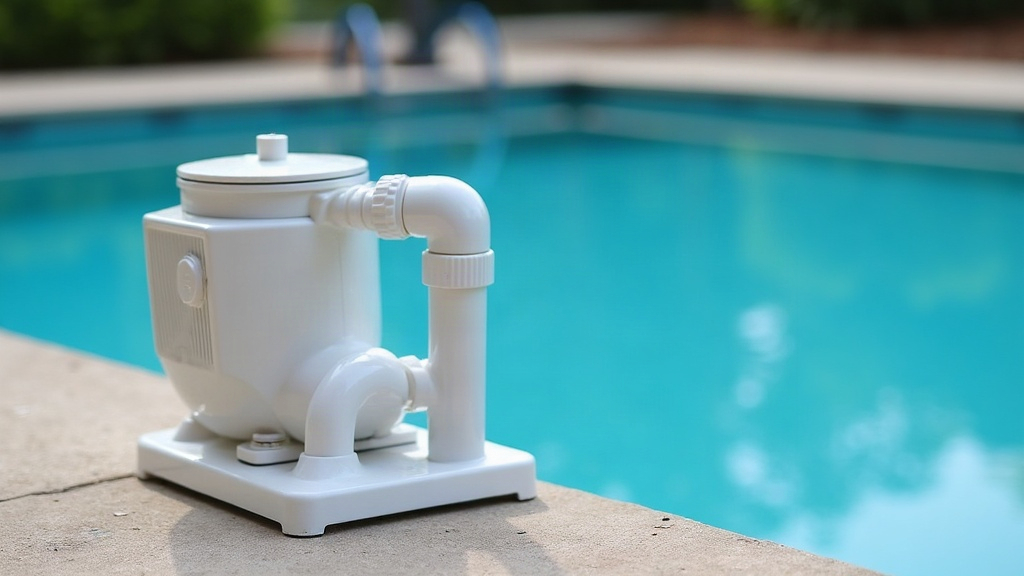
The pump, filter, heater and any automation on the equipment pad are a real slice of the budget, and the choices made here also shape running costs for years afterward. A basic single-speed pump and cartridge filter cost less upfront than a variable speed pump paired with a heat pump, but the ongoing energy picture is different too.
It helps to understand what each component is actually doing before comparing quotes. The pumps, filters & heaters section breaks down how a variable speed pump differs from a standard one, and why a pump is often the biggest energy user in the whole system. Heating adds its own layer of decision-making — the difference between a gas heater and a heat pump affects both installation cost and what the pool costs to run afterward.
Why does site access matter so much?
A pool built in an open backyard with a clear path for machinery is a different job from one built behind a house, through a narrow side gate, or on a slope. Poor access means smaller equipment, more manual labor, sometimes even a crane, and all of that shows up in the final number.
Existing landscaping, mature trees, septic lines, and utility easements can all complicate a build in ways that aren’t obvious from a site visit until digging actually starts. This is one of the reasons early quotes sometimes shift once excavation begins.
Does electrical and bonding work affect the budget?
Yes, and it should. Pumps, heaters, lighting, and the bonding and grounding that protects people near the water are code-governed work that has to be done by a licensed electrician — this is not a place to cut corners or treat as a weekend project.
Ask any installer directly what bonding and grounding work is included and who is licensed to sign off on it. The article on bonding and grounding around a pool explains what the work involves in plain terms, and electrical hazards around a pool covers why this part of the build is treated so seriously by code.
Do barriers and fencing add to the installation cost?
In many places, yes — a compliant fence, gate, or barrier is a legal requirement, not an optional extra, and its cost belongs in the installation budget rather than being an afterthought. Requirements vary significantly by location.
Always check local code and permit requirements before assuming a budget figure covers this. The pool barrier and fence codes article outlines the kinds of things codes typically address — height, self-closing gates, alarm points — but the specific rule for a given address has to come from the local building authority.
It’s worth remembering that no fence, cover or alarm makes a pool “safe” on its own. Supervision is still what matters most around any pool, and barriers are one layer among several, not a substitute for a designated adult watching the water. The safety section goes into how these layers work together.
What about ongoing costs after installation?
Water chemistry, filtration and cleaning routines all have running costs that continue long after the build crew leaves, and they’re worth factoring into the decision from the start rather than treated as a surprise later.
The water chemistry and cleaning & maintenance hubs are useful starting points for understanding what ongoing pool ownership actually involves, from testing routines to how suction, pressure and robotic cleaners differ in cost and effort.
What questions should a homeowner ask a builder?
A useful quote should make clear what’s included in excavation, what structure and equipment are specified, who is doing the licensed electrical and bonding work, and whether fencing and permit costs are part of the number or separate.
- What does the excavation estimate assume about soil and site access?
- Is the equipment pad quoted with a specific pump, filter and heater model, or an allowance?
- Who is the licensed electrician handling bonding, grounding and equipment wiring?
- Is fencing or a barrier included, and does it meet local code as written?
- What happens to the price if excavation reveals rock, water, or unexpected conditions?
Getting clear answers to these questions before signing anything is one of the most effective ways to avoid a budget that grows well past the original estimate. The buying & costs section has more on how to compare quotes and think through a pool purchase from the ground up.
Pools Shop publishes general information, not professional advice. Pool chemicals, electrical work and structural work are genuinely hazardous and are governed by local codes that vary — use a qualified professional for anything you are not certain about, and follow the instructions on the product in front of you rather than a general guide. Nothing here is a substitute for active adult supervision around water: no cover, alarm, fence or device makes a pool safe on its own.