A swimming pool circulates water by pulling it in through skimmers and a main drain, pushing it through a pump and filter to strain out debris, sometimes warming it, and sending it back through return jets. This loop runs on a schedule so every gallon passes through the filter regularly, which is what keeps the water clear rather than static and cloudy.
What path does the water actually take?
Water leaves the pool through two entry points: the skimmer, which skims debris off the surface, and the main drain at the bottom, which pulls from deeper water. Both feed into the same pipe heading to the pump. From there, water is pushed through the filter, then often through a heater or a salt chlorine generator if the pool has one, and finally back into the pool through return fittings.
Every part of that loop depends on the others. If one section is blocked, undersized, or leaking air, the whole circuit works less efficiently, even if the individual pieces look fine on their own.
What does the pump actually do?
The pump is the only part of the system that moves water. It creates suction on the intake side, pulling water from the skimmer and main drain, then pushes that water under pressure through the filter and back to the pool. Without the pump running, nothing circulates, no matter how clean the filter is or how well the chemistry has been tested.
Most pumps also have a strainer basket just before the impeller. That basket catches larger debris like leaves and bugs before they reach the pump itself, protecting it from clogs and wear.
What does the filter remove, and does the type matter?
The filter’s job is to strain out particles too small to see individually but large enough, in total, to cloud the water. The three common types are sand, cartridge, and diatomaceous earth (DE), and they differ mainly in how fine a particle they can catch and how they’re cleaned.
- Sand filters trap debris in a bed of specially graded sand and are cleaned by backwashing.
- Cartridge filters use pleated fabric elements that are removed and rinsed with a hose.
- DE filters use a powder coating on fabric grids and generally catch the finest particles of the three.
None of these filters treat chemistry — they only remove physical particles. Water can pass through a filter perfectly and still be poorly balanced, which is why filtration and testing are two separate jobs. For a broader look at how these pieces fit together, the pool equipment hub covers each component in more detail.
Why does water pass through a heater or salt cell before returning?
If a pool has a heater, it sits in the circulation line after the filter so that only filtered water reaches its internal components. The same logic applies to a salt chlorine generator: it needs a steady flow of water passing through its cell to produce chlorine, which is why these systems only work correctly while the pump is running.
Heaters involve gas lines or dedicated electrical circuits depending on the type, and installation or repair is licensed work. A homeowner can reasonably ask what fuel type, sizing, and venting a heater needs, but connecting or wiring one isn’t a task to take on personally. The equipment hub has more on how these systems are typically specified.
How do skimmers and returns work together?
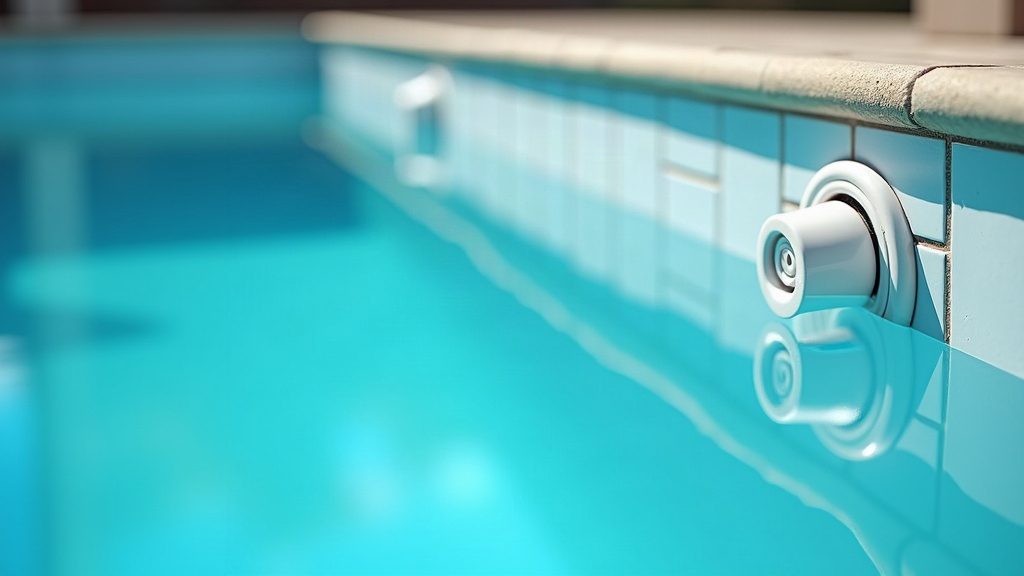
Return jets are usually angled to push water in a rotating pattern around the pool, rather than straight across it. That rotation is intentional: it’s designed to sweep debris toward the skimmer openings so the surface stays clear without someone having to net it constantly.
If returns are aimed poorly, or a pool has “dead spots” where water barely moves, debris and even algae can settle in those areas regardless of how well the filter itself is working. This is one reason pool builders think carefully about return placement during construction, and why a poorly designed layout can be hard to fully fix afterward.
How long should the pump run each day?
There’s no single correct runtime because it depends on the pool’s volume, the pump’s flow rate, and how much the water is used or exposed to sun, wind and debris. The general idea pool professionals use is “turnover” — the time it takes to cycle the entire volume of the pool through the filter at least once.
Bigger pools, weaker pumps, heavy bather load, and hot climates all push toward longer run times. Rather than following a number pulled from somewhere else, it helps to watch the water: if it’s staying clear and test readings stay steady between checks, the current schedule is likely doing its job. If clarity slips, extending runtime is usually the first thing to try before assuming a chemical problem. The pool chemistry hub explains what to test for and how those readings relate to what circulation can and can’t fix.
What signs suggest circulation isn’t working well?
A few patterns tend to show up when something in the loop isn’t functioning as it should:
- Cloudy water that doesn’t clear up even after brushing and normal filter cleaning
- Debris or algae collecting in the same corner or step repeatedly
- A pressure gauge on the filter reading noticeably higher or lower than usual
- Weak or absent flow from one or more return jets
- Air bubbling out of the returns, which often points to a suction-side leak
Any of these is worth investigating rather than masking with extra chemical additions. Chlorine and other sanitizers work by contact with moving water — if the water isn’t reaching every part of the pool, the sanitizer isn’t either. For routine upkeep tied to circulation, the pool cleaning hub covers filter maintenance and skimmer basket care in more depth.
Does circulation change with the seasons?
Yes. Warmer water and more bather use in summer generally call for longer or more frequent filtration, while cooler off-season water can often get by with less. Pools that are closed for winter in colder climates need their circulation system properly drained or protected against freezing, since trapped water in pipes and the pump housing can crack equipment. The seasonal care hub walks through opening and closing routines in more detail.
Who should handle pump, heater or wiring problems?
Basket cleaning, filter rinsing, and watching the pressure gauge are reasonable owner tasks. Anything involving the pump’s electrical connections, bonding and grounding near the water, or heater gas and electrical work is licensed trade territory in most areas, and local code typically requires it. If a pump trips a breaker repeatedly, hums without starting, or a heater won’t ignite properly, the right move is calling a licensed electrician or pool technician rather than troubleshooting the wiring directly.
For anyone comparing pumps, filters or heaters before a purchase, the buying guide hub lays out the questions worth asking a dealer or installer, including what licensed work the installation will require.
What about safety around the equipment itself?
Circulation equipment isn’t a substitute for supervision, and it isn’t designed to be. Suction outlets, pump housings and chemical feed equipment are hazards in their own right, separate from the general risk of drowning that applies any time there’s water and people, especially children, nearby. Barriers, alarms and covers around a pool are one layer of protection, and local code often sets specific requirements for them — but a designated adult actively watching the water is the layer that actually prevents a drowning in progress. The pool safety hub covers how these layers fit together in more detail.
Pools Shop publishes general information, not professional advice. Pool chemicals, electrical work and structural work are genuinely hazardous and are governed by local codes that vary — use a qualified professional for anything you are not certain about, and follow the instructions on the product in front of you rather than a general guide. Nothing here is a substitute for active adult supervision around water: no cover, alarm, fence or device makes a pool safe on its own.