A skimmer sits at the waterline and pulls in water from the surface, catching leaves, bugs and floating debris before they sink. A main drain sits on the pool floor and pulls water from the bottom, helping circulate the whole body of water and drain the pool when needed. Most pools use both together.
What does a skimmer actually do?
A skimmer is the box built into the pool wall right at the water’s surface, usually with a flip-up lid and a basket inside. Its job is to draw in the top layer of water — the layer where wind pushes leaves, insects, sunscreen film and pollen. That water passes through the skimmer basket, which catches larger debris before it ever reaches the pump.
Skimmers rely on the water level sitting at roughly the mid-point of the opening. If the pool level drops too low, a skimmer can start pulling air instead of water, which is one of the more common reasons a pump loses prime. Keeping the water level topped up so it sits in the middle of the skimmer opening is a simple habit that keeps the whole system working the way it’s meant to.
Most residential pools have one or more skimmers, and their baskets need regular emptying — daily during heavy leaf-drop, less often the rest of the year. An overfull basket restricts flow just as much as a clogged filter does.
What does a main drain do?
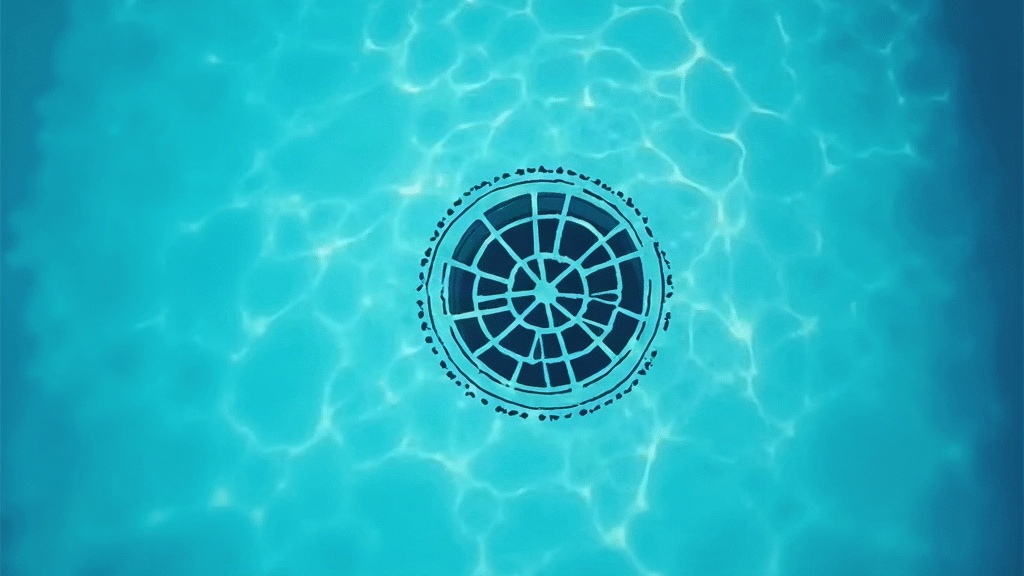
A main drain (sometimes called a floor drain or bottom drain) is set into the deepest part of the pool floor. Instead of skimming the surface, it draws water from the bottom, which helps pull in cooler water, settled debris and — in pools with in-floor heating loops or spillover features — plays a role in overall circulation. It’s also typically the connection point used to drain the pool for major service work.
Because a main drain sits underwater and is usually covered by a grate known as an anti-entrapment cover, its condition matters for safety, not just circulation. A cracked, loose or missing drain cover can create suction strong enough to trap hair, swimwear or a body part against the opening. This is a recognized drowning and entrapment hazard, which is why drain covers in the United States are required to meet standards under federal law (the Virginia Graeme Baker Pool and Spa Safety Act) and why many other countries have similar code requirements. If a main drain cover looks damaged, worn, or is missing entirely, the pool should not be used until it’s replaced by someone familiar with the applicable code.
This is also why many pools built or renovated in recent years use two main drains rather than one, spaced apart so that a body or object can’t block suction to both at once. If a pool has only a single main drain and you’re unsure whether it meets current entrapment-prevention standards, that’s a good question to raise with a qualified pool professional rather than something to assess alone.
Why does a pool need both a skimmer and a main drain?
Skimmers and main drains draw from different parts of the pool, and together they cover both jobs a filtration system needs to do: keep the surface clear and keep the whole volume of water circulating and turning over through the filter.
- The skimmer handles what floats — leaves, bugs, pollen, suntan oil film.
- The main drain handles what sinks and helps move water from the coolest, stillest part of the pool.
- Together, they let the pump pull a blend of surface and bottom water, which most systems are designed around.
Many pumps have a valve that lets an owner adjust how much suction comes from the skimmer versus the main drain, though the correct setting depends on the specific plumbing layout. This is worth understanding conceptually, but adjusting valves incorrectly can affect how well the pool filters and circulates, so it’s reasonable to ask a pool professional to explain the setup on a specific pool rather than guessing.
What happens if the skimmer or main drain gets blocked?
A blocked skimmer basket or a partially clogged main drain line reduces flow to the pump, which shows up as weaker jets, a struggling filter, or a pump that loses prime more easily. Left unaddressed, reduced circulation can lead to poor filtration, more algae growth, and uneven chemical distribution across the pool.
Common, low-risk maintenance includes:
- Emptying the skimmer basket regularly, especially after wind or storms.
- Checking that the pump strainer basket downstream of the skimmer isn’t full.
- Visually checking that the main drain cover looks intact and properly seated (from outside the water — never by reaching down to touch it while the pump is running).
Anything beyond that — replacing a main drain cover, altering plumbing, or working on suction lines — involves work near a suction fitting that is code-governed for good reason, and is best left to a licensed pool professional.
Can a main drain be dangerous to swim near?
A main drain in good condition, with an intact, code-compliant cover, is not something swimmers need to avoid. The concern arises specifically when a cover is cracked, loose, or missing, because that’s when suction can create an entrapment hazard. This is a mechanical and structural issue, not a behavior issue — no amount of swimming skill protects against a faulty drain cover.
As with every hazard in and around water, nothing about a well-maintained main drain changes the basic rule: a designated adult watching the water, without distraction, is the layer of safety that matters most. Barriers, alarms and equipment in good repair reduce risk, but none of them replace that attention.
If you’re unsure whether your pool’s drain covers meet current standards, or if a pool is older and hasn’t been inspected in some time, that’s a reasonable thing to ask a licensed pool service company to check.
Do above-ground pools have main drains too?
Most above-ground pools do not have a main drain in the floor the way in-ground pools do, because there’s no true “bottom” access point built into the structure. Many rely on the skimmer alone, sometimes paired with a return jet, to move water through the filter. Some above-ground models include a secondary bottom-suction fitting, but it isn’t universal.
If you’re not sure what your specific above-ground pool has, the owner’s manual or manufacturer documentation for that model is the most reliable source, since designs vary a lot between brands.
How does this fit into the bigger circulation picture?
Skimmers and main drains are just the intake side of a system that also includes the pump, filter, heater (if present) and return jets that push filtered water back into the pool. Understanding how those pieces work together makes troubleshooting weak flow or cloudy water much easier.
For a fuller walkthrough of that whole loop, see how a swimming pool actually circulates water. And if you’re newer to pool ownership generally, the Pool Basics hub is a good starting point for the terminology and routines that come up constantly, from skimmer maintenance to filter cycles.
What should a new pool owner check first?
A quick walk-around a few times a week covers most of what matters: is the water level sitting mid-skimmer, is the skimmer basket full, and does the main drain cover look intact through the water. None of this requires tools or technical knowledge — it’s mostly observation.
For anything that goes beyond observation — adjusting suction valves, opening pump housings, or working on drain plumbing — a qualified pool service technician is the right call, both for the pool’s sake and for basic electrical and structural safety around equipment that’s plumbed into water.
Building this kind of routine check into a weekly habit, alongside the broader guidance in the Pool Basics hub, tends to catch small problems — a slow-draining basket, a slightly loose cover — before they become bigger ones.
Pools Shop publishes general information, not professional advice. Pool chemicals, electrical work and structural work are genuinely hazardous and are governed by local codes that vary — use a qualified professional for anything you are not certain about, and follow the instructions on the product in front of you rather than a general guide. Nothing here is a substitute for active adult supervision around water: no cover, alarm, fence or device makes a pool safe on its own.