A pool pump loses prime when air gets into the suction side of the system instead of water, so the impeller spins in air rather than moving water through the pipes. The usual causes are a low water level, a clogged skimmer or pump basket, a loose lid or O-ring, or a suction-side leak drawing in air.
What does it mean when a pump “loses prime”?
A primed pump is one that has a solid column of water filling the pump housing and the suction line ahead of it, with no air pockets. Losing prime means that column has been broken by air, so the impeller can no longer create suction. The pump may run, sound different, and the flow out the return jets slows or stops entirely.
This is different from a pump that simply needs cleaning or is wearing out mechanically. A pump that has lost prime is usually otherwise healthy — it just isn’t moving water because air, not water, is filling part of the system. For a broader look at what failure actually looks like versus a priming issue, see how to tell a pool pump is failing.
What actually causes a pump to lose prime?
Almost every cause comes down to the same thing: air is getting into the suction side of the plumbing, somewhere between the pool and the pump impeller. Where that air is coming from is the useful diagnostic question.
- Water level in the pool has dropped below the skimmer opening
- The skimmer basket or pump basket is clogged with debris
- The pump lid isn’t sealed tightly, or its O-ring is dry, cracked or missing
- A suction-side fitting, union, or pipe has a small leak that draws air in when the pump runs
- A suction-side valve is partly closed or the plumbing configuration has changed
Because suction-side leaks pull air in rather than pushing water out, they can be almost invisible — there’s no puddle to spot, just a hiss of air bubbles in the pump basket. That’s one reason priming problems can be confusing to troubleshoot compared with an obvious spray from a pressure-side leak.
Could low water level really cause this?
Yes — it’s one of the most common causes, and one of the easiest to check. If the water sits below the skimmer opening, the skimmer draws in air along with water, and that air travels straight to the pump.
Evaporation, hot weather, wind, and heavy pool use all lower the water level gradually, and it’s easy not to notice until the pump starts sounding different. If the level keeps dropping faster than seems normal for the season, it’s worth working out whether that’s ordinary evaporation or something more, covered in evaporation versus a real pool leak and why pools lose water with no leak at all.
Can a clogged skimmer or pump basket cause it?
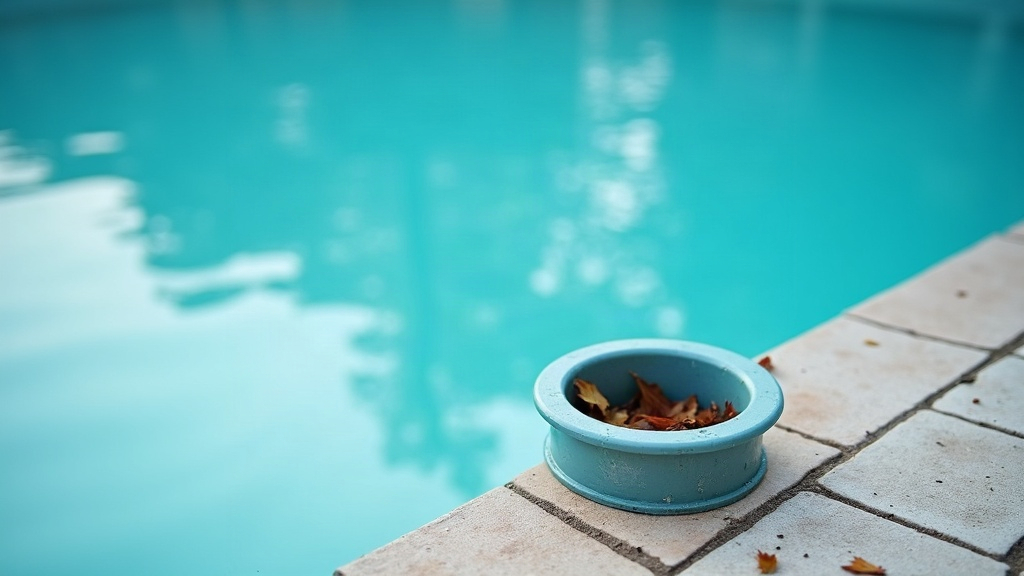
Yes. A basket packed with leaves, debris or a jammed object restricts water flow so much that the pump can end up drawing air around the blockage instead of pulling water smoothly through it.
This is more common in leaf-heavy seasons or right after a storm, when baskets fill quickly. Keeping baskets clear is one of the simplest maintenance jobs on the whole system — see dealing with pool leaves without wrecking the equipment for what to check and how often.
What about a leak on the suction side?
A leak in a suction-side pipe, union, valve or fitting can pull in air as the pump runs, even if it never lets water out when the pump is off. That’s why suction-side leaks are harder to spot than pressure-side ones — there’s often no visible drip.
Signs worth watching for include bubbles visible in the pump basket while the pump runs, a hissing sound near fittings before the pump, or a prime that holds for a while and then breaks again on its own. Persistent, recurring loss of prime with no other obvious cause is a reasonable trigger to have the suction plumbing checked properly rather than repeatedly re-priming and hoping it holds.
Could the pump lid or O-ring be the problem?
Yes, and it’s a common, low-cost cause. The lid on top of the pump housing has to seal tightly against an O-ring to keep air out. If the O-ring has dried out, cracked, or isn’t seated evenly, air seeps in around the lid every time the pump runs.
A dry-looking O-ring, a lid that doesn’t sit flush, or a hissing sound right at the lid when the pump starts are all worth noting. Many pump manufacturers publish guidance on inspecting and replacing this seal as routine upkeep rather than a repair.
Does a closed or blocked valve play a role?
A partly closed suction valve, or a multiport valve set to the wrong position, restricts the flow reaching the pump and can contribute to air getting pulled in around the restriction. This is more likely after any recent work on the plumbing or valves, or after switching between skimmer and main drain suction lines.
Understanding how much resistance the plumbing puts in the pump’s way — what’s often called pump head — helps explain why restrictions matter so much to how a pump performs. See what pump head means and why it matters for more on this.
How can a pump be re-primed safely?
Re-priming generally involves turning the pump off, clearing any obvious basket blockage, checking the water level, and sometimes adding water to the pump housing to help re-establish the water column before restarting. The exact steps vary by pump model, so following the manufacturer’s instructions for that specific pump is the right approach rather than a generic routine.
Anything involving opening the pump housing, working near its wiring, or adjusting connections at the equipment pad should be done with the pump switched off and unplugged at its breaker first. Pump motors are electrical equipment installed to code requirements, and any wiring, bonding or grounding work around them is licensed electrical work, not a DIY task — if there’s any doubt about the electrical side, that’s a job for a qualified electrician or pool professional.
When does this point to a bigger problem?
A pump that loses prime once, in hot dry weather, after the water level dropped a little, usually isn’t a red flag — topping up the water and clearing the baskets is often enough. A pump that keeps losing prime repeatedly, even after the obvious checks, points toward something ongoing: a suction leak, a failing lid seal, or an underlying plumbing issue.
It’s also worth ruling out whether what looks like a priming problem is actually a pump on its way out mechanically — worn bearings, a failing seal, or impeller damage can produce some similar symptoms. The signs to check for are laid out in how to know a pool pump is failing.
When is it time to call in a professional?
Repeated priming loss with no obvious cause, visible or audible air leaks in the suction plumbing, or a pump that needs re-priming every single time it’s used are all reasons to bring in someone who works on pool equipment regularly. They can pressure test suction lines and check fittings in ways that are hard to do reliably without the right tools.
A pump that consistently won’t hold prime also affects filtration and turnover, since water isn’t moving through the filter the way it should. For a refresher on why steady circulation matters so much to water quality, see why a pool needs daily circulation and what turnover rate means and why it matters. For a wider look at pump and filter topics generally, the pumps, filters and heaters section covers related equipment questions in more depth.
Pools Shop publishes general information, not professional advice. Pool chemicals, electrical work and structural work are genuinely hazardous and are governed by local codes that vary — use a qualified professional for anything you are not certain about, and follow the instructions on the product in front of you rather than a general guide. Nothing here is a substitute for active adult supervision around water: no cover, alarm, fence or device makes a pool safe on its own.