Turnover rate is the amount of time it takes a pool’s pump and filter to circulate a volume of water equal to the entire pool once. A shorter turnover time means water passes through the filter and gets treated more often, which generally supports clearer, better-sanitized water.
What does “one turnover” actually mean?
One turnover happens when the pump has pushed a volume of water through the filter equal to the full volume of the pool. If a pool holds a certain number of gallons or liters, one turnover is complete once that same amount has cycled through the system, even though it’s not literally the same water molecules — the goal is that every part of the pool gets touched by circulation and filtration.
Turnover isn’t about speed for its own sake. It’s about giving the filter and any sanitizer enough contact time with the whole body of water, repeatedly, over the course of a day. For background on how that cycling actually works mechanically, see how a swimming pool actually circulates water.
Why does turnover rate matter for a pool owner?
Turnover rate matters because it determines how often the entire pool gets filtered and chemically refreshed in a given day. Skip enough turnovers and problems compound: cloudiness, algae growth, uneven sanitizer levels, and debris that lingers instead of getting pulled toward the skimmer.
Water doesn’t clean itself just by sitting there. Filtration removes fine debris, and circulation carries sanitizer to every corner of the pool, including areas that don’t get direct sunlight or foot traffic. A pool with a sluggish or inconsistent turnover rate often looks fine one day and hazy the next, because the system isn’t consistently reaching all the water. This is closely tied to the broader question of why a pool needs daily circulation at all.
How is turnover rate calculated?
Turnover rate is worked out by comparing total pool volume to the pump’s actual flow rate, then figuring out how long it takes for that flow to equal one full pool volume. The exact numbers depend on the specific pool and equipment, not on a fixed formula that applies everywhere.
Two things drive the calculation:
- Pool volume — the total amount of water the pool holds, which depends on its shape, depth, and dimensions.
- Flow rate — how much water the pump and plumbing can actually move per minute, which depends on pump size, pipe diameter, filter type, and how much resistance is in the system (valves, fittings, elevation changes).
Because flow rate is affected by the whole plumbing layout, not just the pump label, an installer or service pro measuring actual flow at the pool is far more reliable than any number printed on a box. This is one of several reasons pool owners shouldn’t guess at equipment sizing — a pump that’s mismatched to the plumbing and filter can quietly underperform for years.
How many turnovers a day does a pool actually need?
There’s no single number that applies to every pool — bather load, climate, pool use, and local health code requirements (for public and commercial pools especially) all play a role. Rather than repeating a figure that may not apply, the safest approach is to check local code where it exists and follow equipment manufacturer guidance for a residential setup.
What matters more than chasing a specific target is understanding the direction: more turnovers generally means water gets filtered and treated more consistently, and fewer turnovers means water sits longer between passes through the system. Heavily used pools, warmer climates, and pools with a lot of organic load (leaves, sunscreen, bather waste) tend to benefit from more frequent turnover, while lightly used pools have more flexibility.
What affects how fast water actually moves through the system?
Flow depends on the pump’s output, the size and condition of the filter, pipe diameter, and how much debris or buildup is restricting flow at any given time. A pump can be correctly sized on paper and still underperform if the filter is dirty or a skimmer basket is clogged.
Practical factors that slow real-world turnover include:
- A filter that hasn’t been cleaned or backwashed and is running at high pressure.
- A skimmer or pump basket full of leaves and debris, restricting intake.
- Undersized or overly long pipe runs, which add resistance.
- A pump running at a lower speed setting (on variable-speed models) than the pool actually needs for the day’s bather load.
Understanding the pump’s role in all of this helps explain why turnover isn’t just about “run time” — see what a pool pump actually does for how it fits into the whole circulation picture.
Does skimmer and drain placement affect turnover?
Yes — where water enters and exits the filtration loop affects whether the whole pool gets evenly reached, not just the volume moved per hour. A pool can technically hit its turnover number on paper while still leaving “dead spots” that don’t circulate well.
Skimmers pull from the surface, where debris, oils, and floating contaminants tend to collect, while main drains typically pull from deeper areas. Both play a role in getting water from all depths and areas back to the filter. The difference between them, and why a pool usually needs both working properly, is covered in skimmer vs. main drain: what’s the real difference.
Should the pump just run longer to fix a turnover problem?
Running the pump longer can help, but it isn’t a universal fix if the underlying issue is a dirty filter, clogged basket, undersized plumbing, or a pump that isn’t matched to the pool. Longer run time treats a symptom; it doesn’t always address the cause.
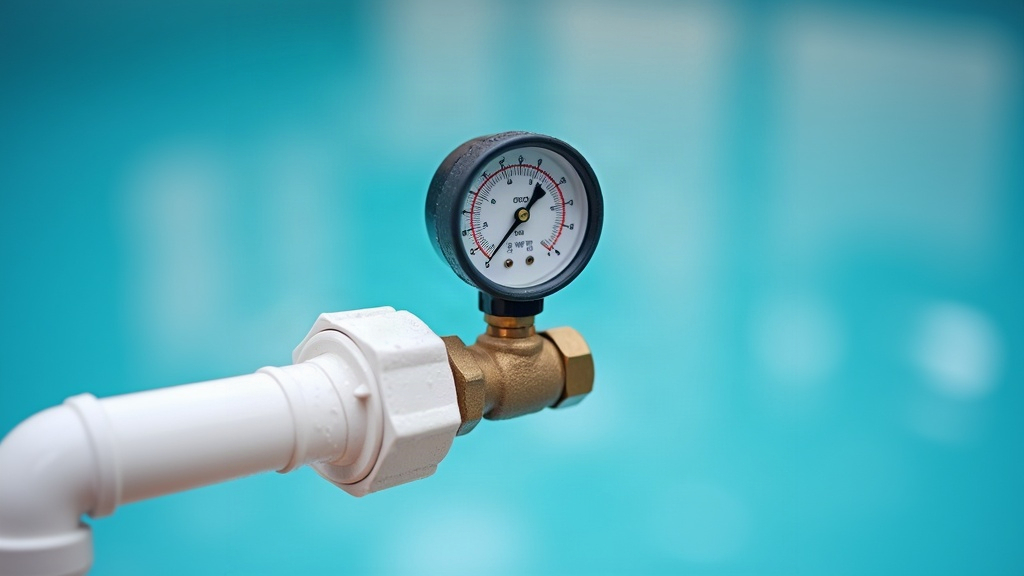
Before assuming more hours will solve murky water or algae, it’s worth checking basic maintenance items: filter cleanliness, basket debris, and visible pressure gauge readings compared to a clean-filter baseline. If flow still seems weak after those basics are handled, that’s a sign to have the system assessed rather than just cranking up the timer.
Pump speed and pool electrical connections are code-governed work. Anything involving wiring, bonding, grounding, or replacing a pump’s electrical connections near water should go to a licensed electrician or pool professional — this isn’t a wiring how-to, and it shouldn’t be treated as a weekend project.
What does poor turnover mean for water chemistry?
When turnover is inadequate, sanitizer and other chemicals don’t distribute evenly through the pool, which makes test readings less reliable and increases the risk of algae or cloudy water even when the right products are being used. Good circulation is what makes water testing meaningful in the first place.
Chemicals should always be added according to the product label in front of the reader, based on current test results and the pool’s actual volume — not according to any number in an article, since correct amounts depend on factors an article can’t know. Chlorine-based products and acid must always be stored separately and never combined; mixing them can produce dangerous gas. Sound circulation supports even distribution once chemicals are added correctly, but it doesn’t change how those products should be measured or handled.
Does turnover rate affect pool safety around children?
Good turnover keeps water clear enough to see the pool bottom and anyone in it, which supports visibility — but it does not substitute for supervision. Clear water is one layer among several; it is never the layer that prevents drowning.
Barriers, self-latching gates, alarms, and swim lessons all reduce risk in different ways, and local code often sets specific requirements for fencing and alarms — always check what applies in the specific location. But no combination of equipment, filtration, or clarity replaces a designated adult actively watching the water whenever children are near a pool.
How does turnover rate connect to overall pool maintenance?
Turnover rate is one piece of a bigger circulation and filtration picture that also includes pump sizing, filter type, and daily run schedules. Getting it right isn’t about memorizing a target number — it’s about understanding how pool volume, flow rate, and equipment condition interact.
For a broader grounding in how pools are supposed to function day to day, the Pool Basics hub covers circulation, chemistry, and maintenance fundamentals in plain language. For equipment-specific questions — pump types, filter media, and heater basics — the Pumps, Filters & Heaters hub is a useful next stop.
None of this replaces an in-person assessment from a qualified pool professional, especially for sizing decisions, electrical work, or anything involving permits and local code. This article, like the rest of Pools Shop, is written by enthusiasts who research carefully — not licensed technicians, electricians, or builders.
Pools Shop publishes general information, not professional advice. Pool chemicals, electrical work and structural work are genuinely hazardous and are governed by local codes that vary — use a qualified professional for anything you are not certain about, and follow the instructions on the product in front of you rather than a general guide. Nothing here is a substitute for active adult supervision around water: no cover, alarm, fence or device makes a pool safe on its own.