The real difference is structural: an above ground pool sits on top of the yard inside a self-supporting wall, while an in ground pool is built into an excavated hole with the surrounding earth holding its shape. That one fact drives almost every other difference — price, lifespan, equipment, and how permanent the pool feels.
What actually separates the two types of pool?
An above ground pool is a manufactured shell — usually a metal, resin or hybrid wall with a liner inside — that stands on the ground and holds its own shape without help from the soil around it. An in ground pool relies on excavation, and the surrounding earth (or, for a vinyl liner or fiberglass shell, a combination of earth and structure) does part of the job of holding the water in place.
That structural difference is why in ground pools involve excavation and site work, while above ground pools mostly involve assembly on a prepared, level pad. It also explains why in ground pools are typically framed as a semi-permanent or permanent property feature, while above ground pools are more often treated as a removable one.
Which one costs less to buy?
Above ground pools are almost always the cheaper option to install, largely because they skip excavation, most structural work and much of the site prep that drives in ground costs. In ground pools cost more up front because they involve digging, shell construction, decking, and usually more complex plumbing and electrical work.
The exact gap between the two depends heavily on the site — access for equipment, soil conditions, local labor rates and the finish chosen. For a fuller look at what actually moves the number, see what actually drives the cost of installing a pool.
Do they cost the same to run once installed?
Running costs are shaped more by pool size, pump choice, climate and how much the water is heated than by whether the shell is above or below ground. That said, above ground pools are frequently smaller, which can mean less water to circulate and heat.
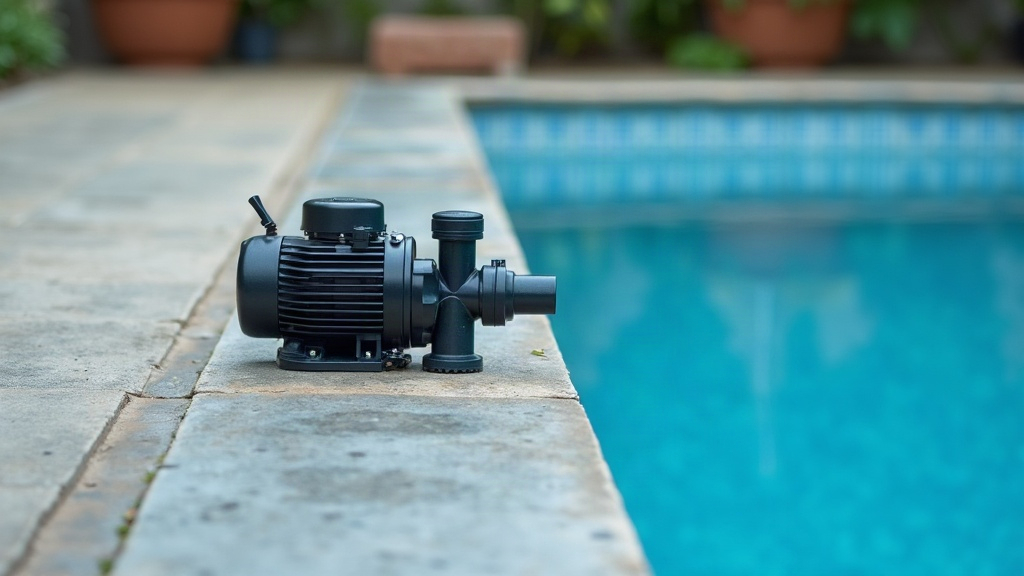
Both types need a pump running on a schedule, filtration, and routine chemical maintenance. The category page on pumps, filters and heaters is a good starting point for understanding what drives those costs, and what a pool costs to run each year breaks down the ongoing side in more detail.
Which one lasts longer?
In ground pools, especially concrete or well-installed fiberglass shells, are generally built to be a long-term fixture of the property, while above ground pools are typically viewed as a shorter-term structure with a liner and wall that will eventually need replacing. Exactly how long either lasts depends on materials, water chemistry, climate and how consistently the pool is maintained — nobody can promise a fixed number of years for either type.
Vinyl liner, fiberglass and concrete in ground pools each age differently, and the choice between them matters as much as the above/in ground decision itself. The comparison at vinyl liner vs fiberglass vs concrete pool covers those tradeoffs.
Is one type actually safer than the other?
Neither structure is inherently safer, and no pool type is ever “safe” on its own. An above ground pool’s raised wall can act as one barrier layer since it makes casual access harder, but it is not a substitute for a proper fence, and it does nothing at all if a ladder or deck is left accessible. An in ground pool needs its own compliant barrier because there is no wall doing that job by default.
Whatever the structure, drowning risk comes down to water and unsupervised access, and the layer that matters most is a designated adult actively watching the water — not the pool’s shape or height. For how the layers work together, see what layered pool safety actually means, and check what pool barrier and fence codes typically require in the local area, since requirements vary by jurisdiction and apply regardless of pool type.
Does equipment differ between the two?
Both types need a pump and filter to circulate and clean the water, and both can be heated, but the plumbing runs and installation complexity often differ. In ground pools tend to have equipment set on a dedicated pad with underground pipe runs, while above ground pools typically have shorter, above-grade plumbing that is easier to access for basic troubleshooting.
Neither setup changes the fact that pump wiring, bonding and grounding near water is licensed electrical work, not a DIY project. For background on what that work actually involves and what to ask a licensed installer, see what bonding and grounding around a pool involves.
Is maintenance different day to day?
Day-to-day water care — testing, balancing, brushing, skimming — is essentially the same job regardless of shell type, because it is the water that needs attention, not the structure holding it. Above ground pools can be somewhat easier to brush and vacuum simply because they tend to be smaller and shallower.
The fundamentals of testing and adjusting water chemistry apply to any pool type; the water chemistry hub is a useful reference, as is the cleaning and maintenance hub for routine tasks like brushing, vacuuming and filter care.
Can an above ground pool be upgraded or made more permanent?
Above ground pools can be dressed up with decking, better liners, upgraded pumps and heaters, but the underlying wall and liner structure has its own limits and eventual replacement point. Turning an above ground pool into something resembling an in ground pool generally is not realistic — at that point, building an actual in ground pool is the more sensible route.
Owners considering a first pool, or comparing the two types seriously, may also find it useful to think about climate fit before committing either way — see whether a pool makes sense in a short summer climate.
Which one adds more value to a house?
In ground pools are generally viewed as a more permanent property feature and tend to be reflected as such in a home’s value, while above ground pools are more often seen as removable equipment that adds less to resale value and can sometimes be seen as a drawback by certain buyers.
Anyone buying a house that already has a pool, of either type, should look closely at its condition, equipment age and any past repairs before assuming it’s a simple bonus. The guide on what to check before buying a house with a pool covers what to look for.
So which type is the right choice?
There isn’t a universally “better” option — an above ground pool suits a lower budget, a shorter-term plan, or a site where excavation is impractical, while an in ground pool suits owners planning to stay long-term and treat the pool as a permanent part of the property. The buying and costs hub and the pool basics hub are good places to keep researching before making that call.
Whichever type ends up in the yard, the same non-negotiable applies: nothing about the pool’s structure replaces a designated adult watching the water whenever children are anywhere near it.
Pools Shop publishes general information, not professional advice. Pool chemicals, electrical work and structural work are genuinely hazardous and are governed by local codes that vary — use a qualified professional for anything you are not certain about, and follow the instructions on the product in front of you rather than a general guide. Nothing here is a substitute for active adult supervision around water: no cover, alarm, fence or device makes a pool safe on its own.