Why Does a Pool Smell of Chlorine When Chlorine Is Low?
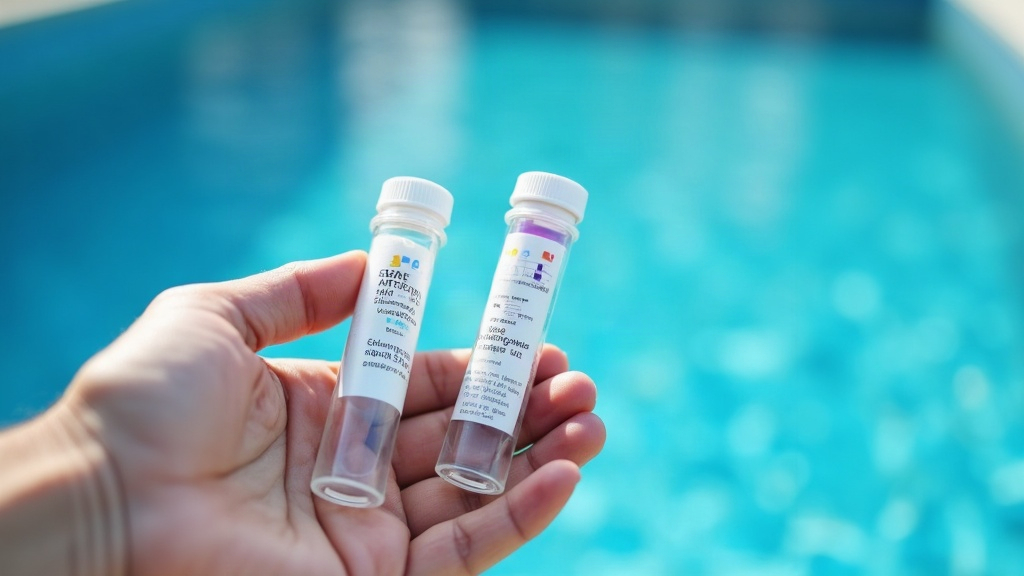
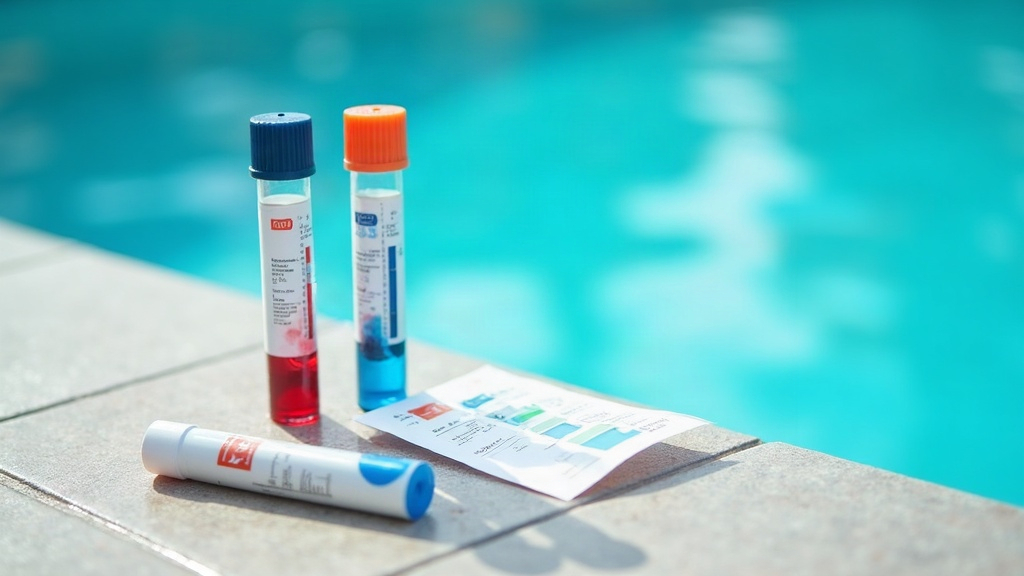
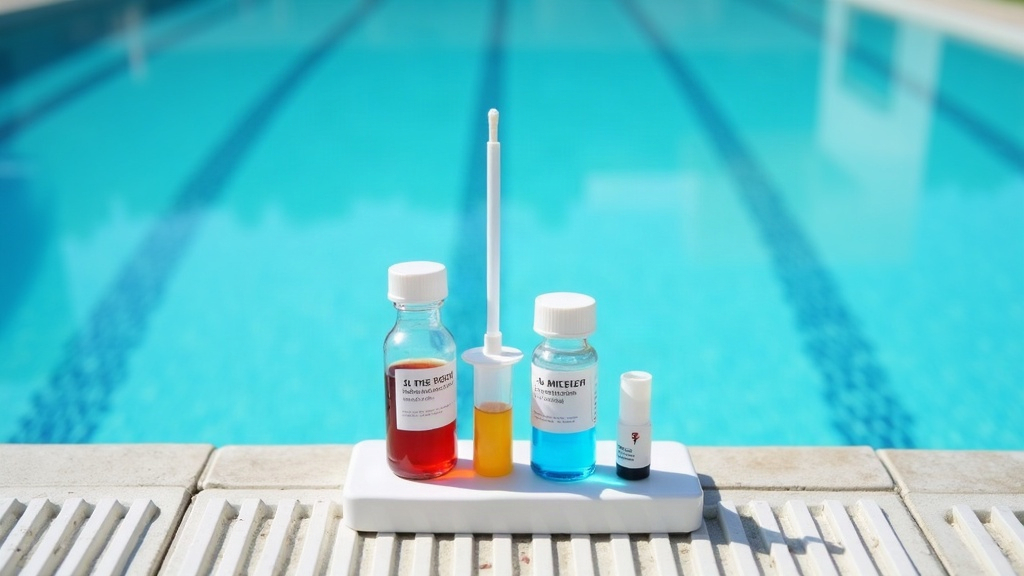
Pool test kit vials beside calm water illustrating why a pool smells of chlorine when chlorine is low

A strong chlorine smell with a low test reading almost always means chloramines, not too much chlorine. Chlorine reacts with sweat, oils, urine and other nitrogen compounds and gets used up forming smelly byproducts, leaving little active chlorine behind to test for. The smell signals used-up chlorine, not fresh chlorine. Why does the pool smell … Read more
What Is Chlorine Lock and What Actually Causes It?

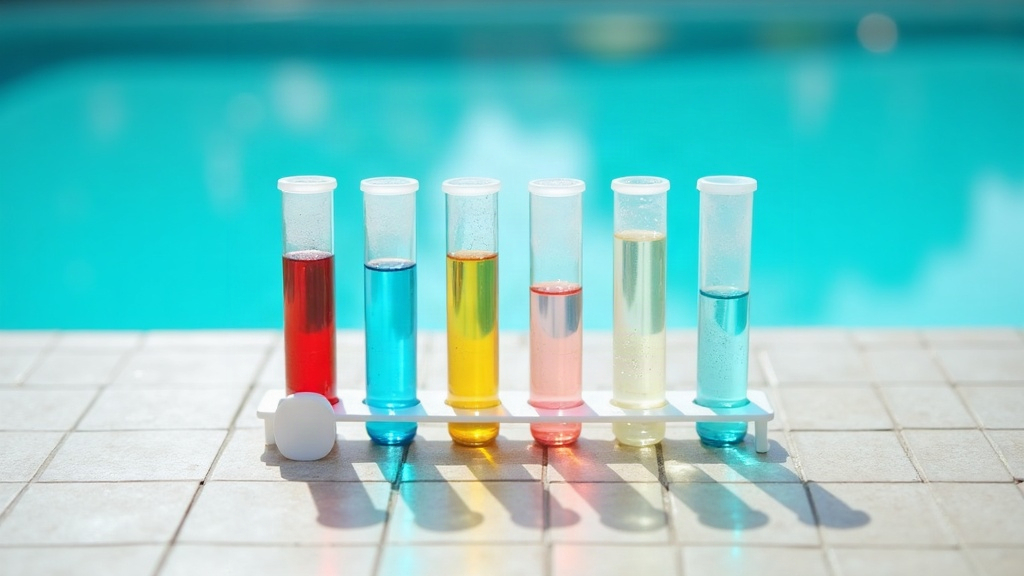
Pool water test kit used to check for chlorine lock causes near a swimming pool

“Chlorine lock” is a nickname, not an official chemical term — it describes chlorine that stops sanitizing effectively, usually because cyanuric acid (stabilizer) has built up too high, or because something in the water is consuming chlorine faster than it can work. Testing, not guessing, tells you which. What does “chlorine lock” actually mean? Pool … Read more

What Is Cyanuric Acid and Why Call It Pool Stabiliser?

Pool water test kit used to check cyanuric acid and chlorine levels beside a still pool

Cyanuric acid is a chemical compound that shields chlorine from being broken down by sunlight. It’s nicknamed “pool stabiliser” because it stabilises chlorine’s strength outdoors — without it, UV rays can burn off unprotected chlorine surprisingly fast, especially in strong sun. Many chlorine products already contain it. What does cyanuric acid actually do in a … Read more

Why Does Calcium Hardness Matter in Pool Water?

White calcium scale forming along a tiled pool waterline where calcium hardness is out of balance

Calcium hardness matters because it controls whether pool water pulls calcium out of plaster, grout and equipment (when it’s too low) or deposits scale onto surfaces and clogs plumbing (when it’s too high). Keeping it in a reasonable range protects the pool’s finish and its circulation system over time. What is calcium hardness, exactly? Calcium … Read more

Free vs Combined vs Total Chlorine: What’s the Difference?

Test kit vials measuring free combined and total chlorine in pool water

Free chlorine is the sanitizer that is still available to kill germs and control algae. Combined chlorine is chlorine that has already reacted with contaminants and lost most of its sanitizing power. Total chlorine is simply free plus combined added together — it tells you what’s there, not how much is still working. Understanding the … Read more

What Actually Makes Pool Water Clear? The Real Answer

Crystal clear pool water showing what makes pool water clear down to the tiled floor

Clear pool water comes from three things working together: filtration that physically removes particles, circulation that moves every gallon past that filter regularly, and balanced chemistry that keeps contaminants dissolved or destroyed instead of clouding the water. Skip any one of the three and the water dulls, no matter how much chlorine gets added. Why … Read more

About what you read here. Everything on Pools Shop is general information and our own editorial opinion. We research carefully and we say when the evidence is unclear, but we can be wrong, things change, and no article can know your particular situation. Please do your own research and make your own judgement rather than treating anything here as the final word. Prices, products and specifications around pools, hot tubs and their upkeep change constantly, and what suits one person will not suit another. Check current details yourself, and where a decision involves real money, safety or something you cannot undo, it is worth confirming with a qualified pool or electrical professional before you act.

About  ·  Contact  ·  Privacy Policy
© 2026 Pools Shop