Winterising a pool means balancing the water chemistry, cleaning and lowering the water level if needed, protecting the pump, filter and any exposed pipework from freezing, and fitting a cover so the pool sits safely through cold weather until it’s reopened.
It’s less about “shutting the pool down” and more about leaving the water and equipment in a state that won’t cause damage or turn into a green mess by spring. The steps overlap a fair bit with what happens in reverse when a pool is reopened; the guide on what actually happens when a pool is opened for the season is a useful companion to this one.
When should a pool be winterised?
Most owners winterise once daytime temperatures consistently drop below the range where the pool would normally be used, and before there’s a real risk of hard, sustained freezes. Waiting too long risks freeze damage to pipes and equipment; closing too early just means longer with a cover on.
Climate matters more than a calendar date. In milder regions, pools sometimes run year-round with reduced circulation instead of being fully closed. Anyone unsure where their pool falls on that spectrum can look at recent local frost history rather than guessing.
What happens to the water chemistry before closing?
Before closing, the water is tested and adjusted so it goes into winter balanced rather than acidic, scale-forming, or already carrying algae. A pool closed with poor chemistry is far more likely to open green or stained.
This typically involves checking and adjusting:
- pH and total alkalinity, so the water isn’t corrosive or scale-prone over winter
- calcium hardness, which affects how likely the water is to deposit scale
- sanitiser level, often boosted before closing so the pool isn’t sitting with no protection
Many closing routines include a shock treatment as one of the last steps before the cover goes on. The explanation of what shocking a pool actually does covers why this step exists and when it’s used outside of closing, too. Whatever products are used, always follow the label on the product in front of you for amounts — a bottle’s concentration and the pool’s volume are what determine the right quantity, not a generic rule. Chlorine-based products and acid-based products should always be stored separately and never combined.
A pool that’s been struggling with algae, cloudy water or stubborn stains going into winter is a much harder pool to open cleanly in spring. It’s worth resolving those issues beforehand rather than hoping the cold sorts them out — cold water actually slows chemical reactions down, it doesn’t sterilise anything. The water chemistry section has more on getting readings into range before closing.
How is the equipment prepared for winter?
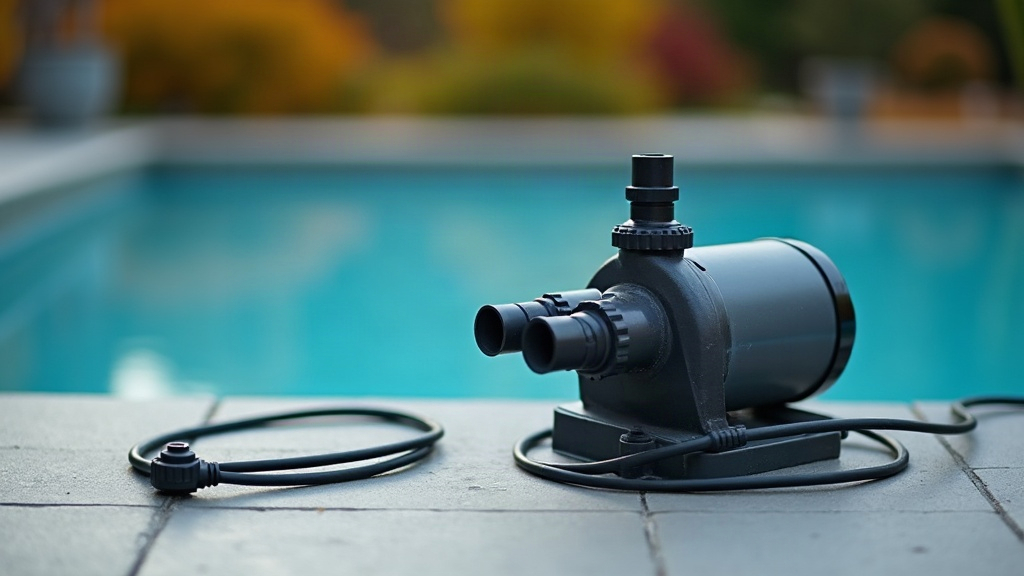
Winterising the equipment means clearing water out of the pump, filter, heater and any exposed pipework so nothing is left where it can freeze and crack. Trapped water expanding as ice is one of the most common causes of cracked pump housings and split pipes.
Typical steps include:
- backwashing or cleaning the filter so it isn’t holding debris over winter — see what backwashing a filter actually does for what that process involves
- draining the pump housing, filter tank and any low points in the plumbing where water can pool
- removing drain plugs so residual water has somewhere to go, in climates where hard freezes happen
- disconnecting and storing anything that isn’t rated to sit outside all winter
Any work that touches the heater, wiring, bonding or the pump’s electrical connections is licensed trade territory, not a weekend job. If a heater needs winterising, draining or isolating, that’s a good moment to ask the installer or a licensed technician exactly what their unit requires — heater components and electrical connections near water are code-governed for good reason. The pumps, filters and heaters section covers how this equipment works day to day, which helps make sense of what a technician is doing.
What does the cover do during winter?
A winter cover keeps debris, sunlight and most rainfall or snow out of the pool, which is a large part of why a properly closed pool doesn’t turn green. It is not a safety device, and it does not replace supervision if anyone could access the pool area — a cover over standing water is still a drowning risk to a child or pet who gets onto it.
Cover types vary — solid winter covers, mesh covers, and in warmer climates sometimes the same cover used in season. A related option worth understanding is the solar cover, though that’s designed for heat retention in season rather than winter protection. Whatever cover is used, local rules may require covers on pools to also meet barrier or child-safety standards where a pool is near a home with children — check local code and permit requirements rather than assuming any cover on the market qualifies as a safety barrier. Nothing about a cover, alarm or fence changes the fact that a designated adult watching the water is the layer that actually prevents drowning.
Does a pool need to be fully drained for winter?
No — most pools are only partially lowered, if at all, and full draining is usually avoided because an empty pool shell can be at risk of structural problems like popping out of the ground, especially where groundwater is high. The water level is typically just dropped below the skimmer, not emptied.
How far the water is lowered depends on the pool type and climate. Vinyl liner and fiberglass pools in particular can be sensitive to being left empty, since the shell can rely on water for support — see the overview of how vinyl liner, fiberglass and concrete pools differ for why that matters. Anyone unsure whether their specific pool needs a full or partial drain for winter, or whether an empty pool is ever appropriate for their situation, should get advice from a local pool professional rather than guessing — this crosses into structural territory.
What can go wrong if a pool isn’t winterised properly?
The most common problems from a poorly winterised pool are frozen and cracked equipment, algae blooms from unbalanced water sitting under a cover all winter, and staining or scale that’s much harder to remove than it would have been to prevent.
Water level is also worth watching over winter, even under a cover — some drop is normal from evaporation, but a pool losing water faster than expected can point to an actual leak rather than weather. The comparison in evaporation versus a real pool leak is useful if the level looks off partway through the season, and why pools lose water with no leak covers other explanations before assuming the worst.
Is winterising a pool a DIY job?
Testing and balancing the water, cleaning the pool, and fitting a cover are reasonable for most owners to do themselves. Anything involving draining a heater, disconnecting wiring, or decisions about lowering water near a structurally sensitive shell is better handled by, or at least checked with, a licensed professional.
Skipping the professional check to save money on a heater or equipment pad job is a common way owners end up with a bigger repair bill in spring than the winterising job would have cost. The opening and closing section has more on how these two ends of the season fit together, and the cleaning and maintenance section covers the routine work that keeps a pool from needing a rescue job either way.
Pools Shop publishes general information, not professional advice. Pool chemicals, electrical work and structural work are genuinely hazardous and are governed by local codes that vary — use a qualified professional for anything you are not certain about, and follow the instructions on the product in front of you rather than a general guide. Nothing here is a substitute for active adult supervision around water: no cover, alarm, fence or device makes a pool safe on its own.