Opening a pool for the season is a sequence, not a single task: removing the cover, clearing debris, restarting the pump and filter, testing and adjusting the water, and checking the equipment before anyone swims. It usually takes several days from uncovering the water to the pool actually being ready, not one afternoon.
What actually happens on opening day?
Opening day is mostly cleanup and setup, not swimming. The cover comes off and gets cleaned and dried, standing water and debris are removed from the pool surface, the equipment is checked over, and the pump is restarted so water begins circulating again after months of sitting still.
Typical opening-day order looks like this:
- Pump standing water off the top of the cover before removing it, so debris and dirty water do not fall into the pool
- Removing, cleaning and storing (or inspecting) the cover itself
- Skimming leaves and debris off the surface and out of skimmer baskets
- Reinstalling any plugs, ladders, or fittings that were removed for winter
- Topping up the water level, since evaporation continues even under a cover
- Restarting the pump and filter and watching for leaks or odd noises
- Testing the water before deciding on any chemical adjustments
The order matters because circulation and filtration need to be running before the water chemistry work really makes sense — dosing a pool that isn’t circulating just leaves chemical sitting in one spot.
How does the water get tested and balanced first?
The water gets tested before anything is added, because months of sitting under a cover change it. A test kit or strips will show where pH, alkalinity, sanitizer level and other readings actually stand, and that reading — not guesswork — determines what the pool needs.
Comparing test strips against a liquid kit is a common early decision, and the tradeoffs are covered in pool test strips vs liquid test kits. Whichever method is used, total alkalinity and pH tend to move together, and understanding the difference between total alkalinity and pH makes the early readings easier to interpret.
Because sanitizer almost always needs restoring after winter, many pools go through a shock treatment at opening to burn off whatever has built up in stagnant water. What that involves and when it’s appropriate is explained in what shocking a pool actually does. Whatever product is used, always follow the label on the specific product in hand for how much to add and how — never combine different pool chemicals directly, and always store chlorine-based products and acid separately, since mixing them can produce dangerous gas. That’s a genuine hazard, not just tidy-storage advice.
General questions about water balance, sanitizer types and stabilizer sit in the water chemistry archive, which is worth a look before opening if the pool has sat unused for a long stretch.
What happens to the pump, filter and heater at startup?
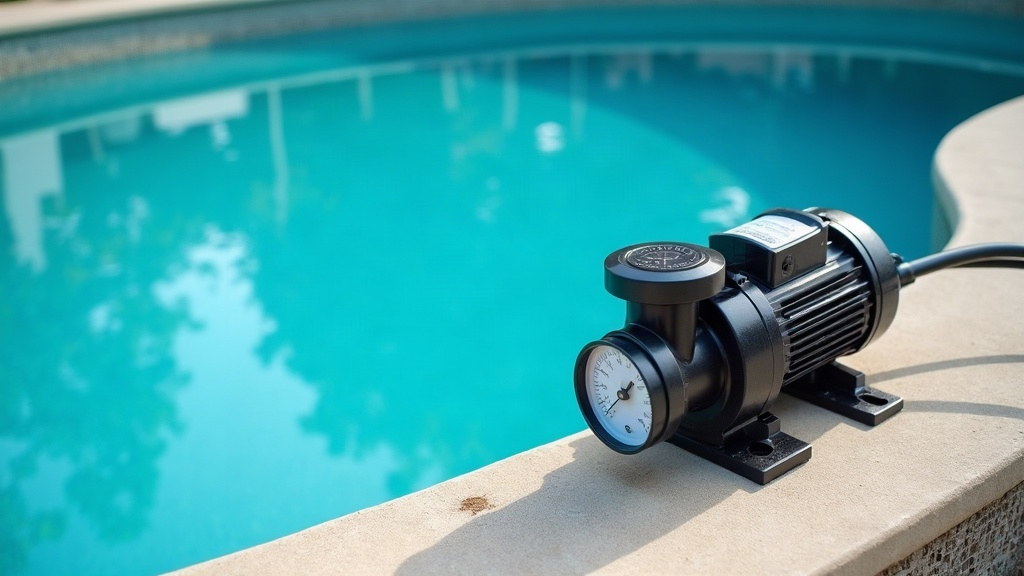
The pump gets primed and checked for leaks and unusual sounds, the filter gets inspected or cleaned, and any heater gets a visual check before being asked to run. This is where a season of sitting idle tends to show up as a problem, if one exists.
A pump that sat dry or partly drained over winter can struggle to prime on the first start. If it won’t hold prime, the cause is often air getting into the system somewhere rather than the pump itself; what causes a pool pump to lose prime walks through the usual culprits. A rising or unusually low reading on the gauge once things are running is also worth noting — what a filter pressure gauge actually tells you explains how to read that number sensibly.
Filters themselves may need a real cleaning rather than a quick backwash if they’ve been sitting since last fall; the difference between the two is covered in when a filter needs cleaning, not backwashing. Cartridge filters in particular have a working life that’s worth knowing before assuming a cleaning will fix a problem — see how long filter cartridges actually last.
If a heater, pump or any wiring near the pool needs repair, replacement or reconnection — not just switching back on — that is licensed electrician or pool-trade territory. Bonding, grounding and any work on wiring near water is governed by local electrical code for good reason, and it isn’t a weekend DIY job. If something looks off — a tripped breaker that won’t reset, a burning smell, a heater that won’t ignite — the right move is calling a licensed technician, not troubleshooting it personally. The pumps, filters and heaters archive covers how this equipment works day to day once it’s running normally.
What about the cover, debris and the bottom of the pool?
Whatever settled on the pool floor over winter — leaves, silt, algae residue — usually needs vacuuming or brushing out before the water will look right, and this is separate from the chemical side of opening. Brushing loosens what’s stuck to the walls and floor so the filter can actually catch it.
How often a pool benefits from brushing, in season and at opening, is covered in how often a pool should actually be brushed. If the cover trapped a heavy load of leaves, dealing with pool leaves without wrecking the equipment explains why dumping them straight into the pool and running the pump is a bad idea. General routine cleaning topics, including skimming, vacuuming and brushing schedules, live in the cleaning and maintenance archive.
A robotic or automatic cleaner can help with the floor once the water is balanced enough to run one, but it doesn’t replace the initial manual cleanup, and it’s worth understanding the actual difference between cleaner types before buying one — see suction, pressure and robotic pool cleaners: the real difference.
Why does the water look cloudy or off-color right after opening?
Cloudy or discolored water right after opening is common and usually temporary. It reflects months of low or no sanitizer, debris breakdown, and metals or organic matter that built up under the cover — not necessarily a sign that anything is broken.
Once sanitizer, pH and alkalinity are corrected and the filter has had time to run, most cloudiness clears on its own over a day or two of continuous circulation. If it doesn’t, the cause is often something more specific, like metal staining or a filter that isn’t actually filtering yet. Why pool water goes cloudy and what causes stains on pool surfaces both go into more detail on distinguishing the two.
Is there electrical or structural work involved in opening a pool?
For most pools opened as designed each year, no — it’s mechanical and chemical work, not electrical or structural. But if a heater, pump motor, light fixture or any wiring needs actual repair, replacement or inspection rather than a simple restart, that crosses into licensed-trade territory.
Any bonding, grounding, or wiring near a pool is governed by local electrical code, and gas lines for a gas heater fall under separate code as well. If opening reveals a cracked pad, lifted coping, or a structural issue with the pool shell itself, that’s also outside what an owner should assess or fix personally. The right step is asking a licensed electrician, pool builder or the equipment manufacturer what a proper inspection or repair involves, and getting a permit if the local code requires one.
Who should watch children while the pool is being opened?
A pool that’s freshly uncovered, only partly filled, or mid-cleanup is not a safe place for children to be near unsupervised — equipment may be running, chemicals may be present, and the water itself may not be tested yet. A designated adult who is actively watching, not just nearby, is the layer that actually matters here.
Covers, fences, alarms and locked gates all help reduce risk, but none of them substitutes for that supervision, and none of them should be treated as making the pool area “safe” on their own — especially during opening, when normal barriers may be temporarily off or disturbed. Local code around fencing, alarms and barriers varies by area and is a legal requirement in many places, so it’s worth checking what applies locally rather than assuming a standard.
When is the pool actually ready to swim in?
A pool is ready once the water has been tested and balanced, the sanitizer level is confirmed adequate, the filter has run long enough to clear visible cloudiness, and the equipment has been checked for leaks, noise or pressure problems. That’s usually a few days after the cover first comes off, not the same afternoon.
Anyone unsure how the whole system fits together — pump, filter, skimmer, main drain, heater — can get a clearer picture from how a pool actually circulates water, which explains why each piece needs to be working before the water can be called ready. For broader context on what a season of ownership involves, the pool basics archive and buying and costs archive cover what to expect over a full year, not just opening day.
Pools Shop publishes general information, not professional advice. Pool chemicals, electrical work and structural work are genuinely hazardous and are governed by local codes that vary — use a qualified professional for anything you are not certain about, and follow the instructions on the product in front of you rather than a general guide. Nothing here is a substitute for active adult supervision around water: no cover, alarm, fence or device makes a pool safe on its own.