A vinyl liner pool has a flexible plastic sheet fitted inside a wall structure, a fiberglass pool is a pre-molded one-piece shell dropped into an excavation, and a concrete pool is built on-site from steel, shotcrete and a plaster or tile finish. Each differs in install time, surface feel, repair needs and how long the finish typically lasts before it needs attention.
What is a vinyl liner pool?
A vinyl liner pool uses a custom-cut sheet of vinyl stretched over a wall frame made of steel, aluminum or polymer panels, with a sand or vermiculite base underneath. The liner holds the water and gives the pool its color and pattern.
Because the liner is a separate layer, it can be replaced without rebuilding the whole pool. That makes vinyl liner pools relatively affordable to install compared with concrete, and shapes can be customized fairly freely since the wall panels bend to fit a design.
The tradeoff is the liner itself. It can wrinkle, stretch, fade in sunlight, or develop small tears from sharp toys, pet claws or aggressive water chemistry over time. A liner does not last indefinitely, and eventual replacement is a normal, expected part of owning this pool type rather than a defect.
What is a fiberglass pool?
A fiberglass pool is manufactured off-site as a single molded shell, then trucked to the property and lowered into a prepared excavation. Because it arrives essentially finished, installation is often quicker than the other two types once the site is ready.
The surface is a smooth gelcoat finish, which tends to feel less abrasive underfoot than plaster and is naturally resistant to algae taking hold on the surface itself — though algae can still grow in poor water conditions on any pool type, so water testing and circulation still matter.
The main limitation is shape and size. Because the shell is molded in a factory, it comes in a fixed range of pre-set shapes and sizes, and delivery access to the site (narrow driveways, tight side yards, overhead wires) can affect what is even possible to install.
What is a concrete pool?
A concrete pool — sometimes called gunite or shotcrete — is built in place. Steel reinforcement is set into the excavation, concrete is sprayed or poured over it, and the interior is finished with plaster, an aggregate finish, or tile.
This on-site build process is why concrete pools can be made in almost any shape, depth or size, including features like tanning ledges, attached spas or irregular custom lines that a molded shell cannot replicate.
Concrete construction takes longer than dropping in a fiberglass shell, involves more distinct trades and inspection stages, and the surface finish is more textured, which some owners find rougher underfoot than gelcoat or vinyl. The finish coat also tends to need periodic renewal, and the timeline for that depends heavily on water balance, climate and how the surface was originally applied.
Which pool type is cheapest to install?
Vinyl liner pools are generally the least expensive to install upfront, fiberglass sits in the middle depending on shell size and delivery access, and concrete is typically the most expensive because of the labor, materials and time involved in an on-site build.
Actual project cost is genuinely unquotable in general terms. It depends on regional labor rates, site access, excavation difficulty, permitting, chosen finishes and equipment selection. A useful approach is asking each contractor to itemize what’s driving their price — excavation, decking, equipment, and finish — rather than comparing single lump-sum numbers between pool types.
Which pool type needs the least maintenance?
No pool type is maintenance-free. All three still need daily circulation, regular filtration, and consistent water testing. Fiberglass surfaces are often described as easier to keep visually clean because algae has less rough texture to grip, but water chemistry still has to be maintained properly on any surface.
Vinyl liners require a bit more care around sharp objects and sustained high chlorine exposure, since the material itself can degrade. Concrete surfaces are the most porous of the three, which can make them more prone to staining and to surface roughening over time if water balance drifts for extended periods.
Regardless of surface type, the mechanics underneath — pump, filter and plumbing — do the actual daily work. Understanding what a pool pump actually does and how water moves through the system explains a lot about why consistent upkeep matters more than surface material alone. For background on why this happens every day rather than occasionally, see why a pool needs daily circulation.
How long does each pool surface typically last?
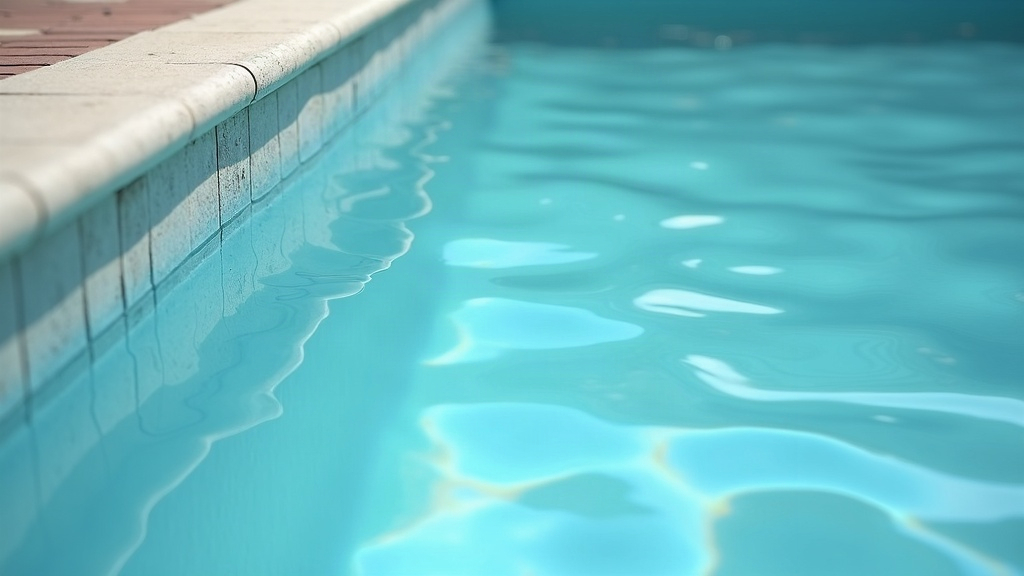
Vinyl liners have a finite lifespan and are expected to be replaced periodically; how long one lasts depends on sun exposure, water balance and physical wear, not a fixed number. Fiberglass gelcoat surfaces can last a long time but may eventually need resurfacing if the gloss dulls or the surface develops fine cracking. Concrete plaster finishes wear based on water chemistry consistency and use, and eventually need replastering or refinishing.
Because none of these figures can be stated as a guaranteed lifespan — too many variables affect the outcome — it’s more useful to ask a contractor what specifically shortens or extends surface life in the local climate and water conditions, and to budget for eventual resurfacing or liner replacement as a normal ownership cost rather than an unexpected one.
Does pool type change how filtration and circulation work?
No. Regardless of whether the shell is vinyl, fiberglass or concrete, the pool still needs a pump moving water through a filter on a schedule that achieves adequate turnover. The skimmer and main drain both pull water to the equipment pad the same way in any of the three pool types, and the plumbing layout is chosen based on pool shape and equipment placement, not surface material.
New owners comparing pool types sometimes assume a fiberglass or concrete pool is inherently “easier” to keep clean because of the surface finish. Surface texture affects how visible algae growth is, but it does not replace the need to understand how a pool actually circulates water or to track turnover rate for the pool’s actual volume. Those fundamentals apply to every pool type equally.
Does the choice of pool type affect equipment or electrical work?
Pump sizing, heater choice and lighting are influenced more by pool volume, shape and desired features than by whether the shell is vinyl, fiberglass or concrete. However, any electrical work near a pool — pump wiring, lighting, bonding and grounding — is code-governed and is licensed trade work in most jurisdictions, regardless of pool type. This is not a weekend DIY task, and local code should always be checked before any installation or modification. An electrician or pool builder familiar with local requirements can explain what bonding and grounding accomplish and what inspections are required before water goes in.
Anyone comparing equipment options across pool types can get oriented with the pumps, filters and heaters hub before speaking with a contractor, so the conversation with a licensed installer is more informed.
Which pool type is best for a family with children?
Pool type — vinyl, fiberglass or concrete — has no bearing on drowning risk. Barriers, alarms, and pool covers are one layer of protection and requirements for them vary by local code, so it’s worth checking what’s legally required in the area before installing a pool of any type. But no barrier, cover or alarm replaces a designated adult actively watching the water whenever anyone is in or near the pool. That layer of supervision matters regardless of what the pool is built from.
Readers weighing a first pool purchase can find broader groundwork in the pool basics hub, covering the fundamentals that apply no matter which shell material is eventually chosen.
Which pool type should a new owner choose?
There’s no universally “best” option — the right choice depends on budget, desired shape, site access, climate and how much surface upkeep an owner wants to take on. Vinyl liner favors lower upfront cost and shape flexibility with future liner replacement expected. Fiberglass favors faster installation and a smooth surface within a fixed range of shapes. Concrete favors unlimited design freedom at higher cost and longer build time, with periodic refinishing expected.
A useful next step is getting quotes from local, licensed pool builders for each type, based on the actual site, and asking each one directly what maintenance and eventual refinishing looks like for their specific product and local climate.
Pools Shop publishes general information, not professional advice. Pool chemicals, electrical work and structural work are genuinely hazardous and are governed by local codes that vary — use a qualified professional for anything you are not certain about, and follow the instructions on the product in front of you rather than a general guide. Nothing here is a substitute for active adult supervision around water: no cover, alarm, fence or device makes a pool safe on its own.