A gas heater burns propane or natural gas to heat pool water quickly, in almost any weather, but costs more to run per hour. A heat pump uses electricity to move existing warmth from the outside air into the water, which is cheaper to run but slower and less effective in cold air. Neither is universally “better” — the right choice depends on climate, budget, and how the pool gets used.
How does a gas heater actually work?
A gas heater draws in propane or natural gas, ignites it in a combustion chamber, and passes pool water through a heat exchanger that sits right next to that flame. The water absorbs heat directly from combustion, which is why gas heaters can raise temperature fast, sometimes within a few hours depending on pool size and how much heat is being asked for.
Because it generates its own heat rather than borrowing it from the surrounding air, a gas heater performs consistently even in cold weather or overnight. That reliability is the main reason gas heaters remain popular for pools that are used occasionally, or for spas and hot tubs that need to reach temperature on demand rather than staying warm all season.
How does a heat pump actually work?
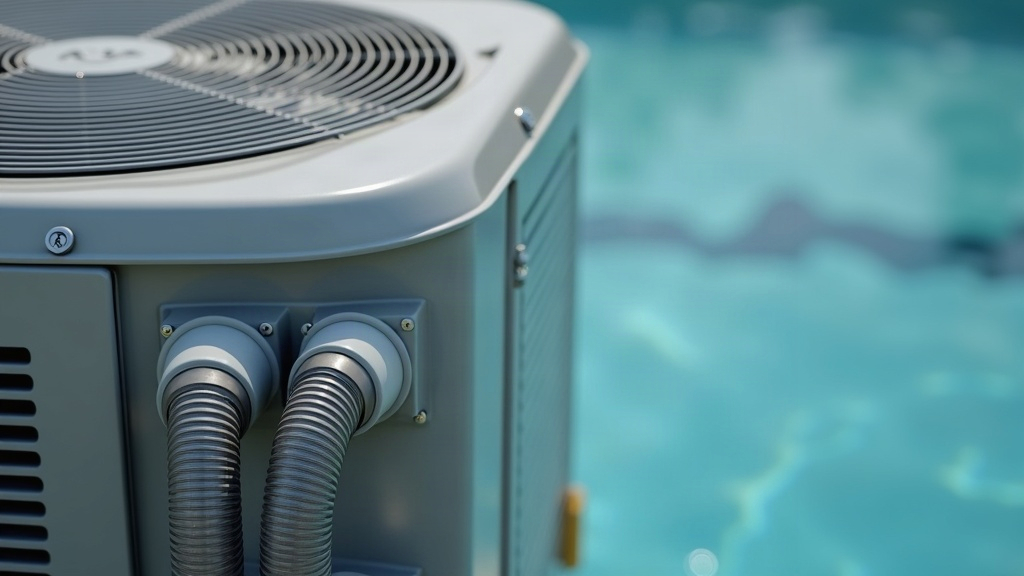
A heat pump doesn’t create heat by burning anything. It works more like a refrigerator running in reverse: a fan pulls in outside air, that air passes over a coil containing refrigerant, and the refrigerant absorbs the ambient warmth and gets compressed until it’s hot enough to transfer that heat into the pool water via a heat exchanger.
Because it’s moving heat that already exists in the air rather than manufacturing it from fuel, a heat pump generally uses less energy per degree of warming than a gas heater does. But that also means its performance is tied to air temperature. The colder and drier the surrounding air, the harder the unit has to work, and the less heat there is available to move in the first place.
Which one heats the water faster?
Gas heaters heat water faster in almost all conditions, because they generate heat directly rather than depending on outside air temperature. A heat pump raises temperature more gradually and works best when it can run for extended periods rather than being switched on and off for quick, occasional use.
This difference in speed shapes how each type of heater actually gets used in practice. A gas heater suits someone who wants the pool warm for a weekend gathering and doesn’t mind heating it up shortly beforehand. A heat pump suits someone who is comfortable letting the pool maintain a set temperature over days or weeks, since it’s not really designed to deliver a fast temperature spike.
Which one costs less to run?
A heat pump typically costs less per hour to run than a gas heater, because it is moving heat rather than burning fuel to create it. A gas heater’s running cost tracks the price of propane or natural gas directly, while a heat pump’s running cost tracks electricity rates and how hard the compressor has to work in current air temperatures.
Exact running costs depend on too many local variables to state as a fixed number — fuel and electricity prices vary by region, pool volume changes how much heat is needed, and climate determines how many hours the equipment has to run to hold a target temperature. For a deeper look at what actually drives those costs, see what a pool heater actually does to running costs.
Which one costs more to buy and install?
Heat pumps are generally more expensive upfront than comparable gas heaters, while gas heaters usually cost less to purchase but more to run over time. Installation cost for either depends heavily on site access, existing gas or electrical infrastructure, and local permit requirements.
A gas heater installation typically needs a gas line run to the equipment pad, proper venting for combustion byproducts, and a gas-safe connection — all of which is licensed trade work, not a task for a pool owner to take on directly. A heat pump installation needs an adequate electrical circuit sized for the unit and enough clearance around it for airflow, which is also electrical work that belongs with a licensed electrician. Anyone quoting or planning either job should ask directly what permits are required locally and whether the existing gas line or electrical panel can support the new equipment. For a broader sense of what sits on a typical setup, see what a pool equipment pad actually holds.
Does climate change which one makes more sense?
Climate is one of the biggest factors in this decision. Heat pumps perform best in warm-to-mild climates where the air rarely drops into genuinely cold territory, because there’s more ambient heat available to move. In colder climates, a heat pump has to work much harder for the same result, and its efficiency advantage narrows.
Gas heaters aren’t as dependent on air temperature, since they generate their own heat rather than borrowing it. That makes gas a common choice in colder regions, for pools used mainly in cooler months, or for spas that need to reach temperature regardless of what the weather is doing outside.
Does pool use pattern matter as much as climate?
Use pattern often matters just as much as climate. A pool that’s heated occasionally, for a party or a weekend, suits the fast response of a gas heater. A pool that’s kept at a steady, comfortable temperature across a whole season suits the slower, steadier, and generally cheaper operation of a heat pump.
Some owners run both: a heat pump for baseline seasonal warmth, and a gas heater as backup for the coldest snaps or the days the pool needs to be warm sooner than the heat pump can manage. Whether that combination makes sense for a given property is really a conversation for whoever is doing the installation, since it changes what electrical and gas capacity is needed at the equipment pad.
Do they need the same maintenance?
No. A gas heater has a combustion chamber, burner, and venting that need to stay clear and properly functioning, since gas combustion produces byproducts that must vent safely away from the equipment and any structure. A heat pump has a fan, coil, and compressor that need clear airflow and freedom from debris, leaves, or obstruction around the unit.
Neither piece of equipment should be serviced, adjusted, or opened up by anyone other than a licensed technician qualified for gas or electrical work respectively. That applies to anything involving the burner, venting, gas line, wiring, or refrigerant circuit. What a pool owner can reasonably do is keep the area around either unit clear of leaves and debris and watch for warning signs like unusual noise, a burning smell, or a failure to reach the set temperature, then call in a professional rather than investigating further personally.
Does either heater affect water chemistry?
Neither type of heater changes water chemistry directly, but heated water does affect it indirectly. Warmer water speeds up chemical reactions, which often means chlorine gets used up faster and algae has an easier time taking hold if levels aren’t monitored. Heated pools generally need more frequent testing during the heating season.
It’s worth keeping a closer eye on chlorine levels, pH, and general clarity once a heater is running regularly. For the basics of what to test and why, see what pH does in a pool and what causes algae to take hold. A reliable test kit or strip makes it easier to track those shifts as water temperature rises; a comparison of the two approaches is covered in test strips versus liquid test kits.
Does a heater change how the pump and filter should run?
Adding a heater usually means the pump needs to run for the water to pass through the heater and pick up warmth, since heaters rely on circulation to deliver heated water back into the pool. That makes the pump’s run time and efficiency more relevant, not less, once a heater is part of the system.
A pump that’s already struggling or oversized for the job will only get more expensive to run alongside a heater. It’s worth understanding why the pump is usually the biggest energy user in a pool and whether a variable speed pump makes sense before adding a heater into the mix, since the two systems work together rather than independently.
Which one should be chosen?
There isn’t a single right answer. A gas heater suits fast, occasional heating and colder climates; a heat pump suits steady, season-long warmth and milder climates, generally at a lower running cost. Budget, local fuel and electricity prices, and how the pool actually gets used all weigh into the decision more than any general rule.
Getting quotes from licensed installers for both options, and asking each what the electrical or gas infrastructure at the property can actually support, is the most reliable way to work out which heater fits a specific pool. For a wider view of what drives pool ownership costs generally, the Buying & Costs section covers related decisions, and the Pumps, Filters & Heaters archive has more on how heating interacts with the rest of the equipment pad.
Pools Shop publishes general information, not professional advice. Pool chemicals, electrical work and structural work are genuinely hazardous and are governed by local codes that vary — use a qualified professional for anything you are not certain about, and follow the instructions on the product in front of you rather than a general guide. Nothing here is a substitute for active adult supervision around water: no cover, alarm, fence or device makes a pool safe on its own.