The questions worth asking a pool builder cover five areas: what exactly is included in the price, who does the electrical and structural work, what permits are needed, what the equipment actually is, and what happens if something goes wrong after the crew leaves. Vague answers in any of these areas are worth pausing over.
What should you ask about the quote itself?
Ask what is included and what is listed as an allowance or estimate rather than a fixed number. A quote that lumps excavation, decking, equipment and fencing into one round figure makes it hard to see where the money is actually going.
- Is site excavation and haul-away of soil included, or billed separately if conditions are harder than expected?
- Are decking, coping and fencing part of this number, or a separate contract?
- What brand and model of pump, filter and heater are specified, not just “standard equipment”?
- What happens to the price if rock, high water table or poor soil is found during excavation?
Because so many of these factors are site-specific, it helps to understand in general terms what actually drives the cost of installing a pool before comparing quotes from different builders.
What should you ask about the build type and design?
Ask why a particular shell type or construction method is being recommended for the site, and what the trade-offs are compared with alternatives. A builder who only offers one method may not be wrong, but it is worth knowing why.
Concrete, vinyl liner and fiberglass pools differ in installation time, repair approach and how the surface ages, and the right one often depends on budget, soil, and how the pool will be used. Reading up on how vinyl liner, fiberglass and concrete pools actually differ beforehand makes it easier to follow the builder’s reasoning rather than just accepting a recommendation.
It is also worth asking whether an in-ground pool is really the right fit for the property, or whether an above-ground option was considered and dismissed for a specific reason. The real differences between above-ground and in-ground pools go beyond appearance and affect cost, longevity and what a future resale looks like.
What should you ask about the timeline?
Ask for a written schedule broken into stages, plus what typically causes delays in this region — weather, inspection scheduling, supply lead times. A builder with real experience can usually name the two or three points where projects commonly slip.
It is reasonable to ask what happens contractually if the project runs well past the estimated date, and whether that is addressed anywhere in the agreement.
What should you ask about electrical, bonding and structural work?
Ask who is licensed to perform the electrical bonding, grounding and wiring near the pool, and ask to see that license. This work is code-governed for a reason: improper bonding and grounding around water is a genuine electrocution hazard, not just a compliance checkbox.
Reasonable questions include:
- Which licensed subcontractor handles the electrical bonding and grounding, and are they separately insured?
- Will a qualified electrician sign off before the deck or equipment pad is finished and harder to access?
- Who handles gas line work if a gas heater is being installed?
It helps to understand generally what bonding and grounding around a pool actually involves and what the electrical hazards around a pool actually are, so the builder’s answers can be evaluated rather than taken on faith. None of this is a task for a general contractor working outside their license, and a builder who brushes off the question is worth a second look.
What should you ask about permits and code compliance?
Ask who pulls the permits, who schedules inspections, and whether the fence, barrier and alarm plan meets local code as written — not a generic national guideline. Pool barrier requirements vary significantly by location and are legal obligations, not suggestions.
Confirm in writing:
- Which permits are the builder’s responsibility versus the owner’s
- Whether the proposed fencing, gate and alarm setup has been checked against the local code office, not just general practice
- What inspections are scheduled and at what stages
For a sense of what these requirements typically cover, see what pool barrier and fence codes typically require — then check the specific rules in the reader’s own municipality, since they are the ones actually enforced.
What should you ask about equipment choices?
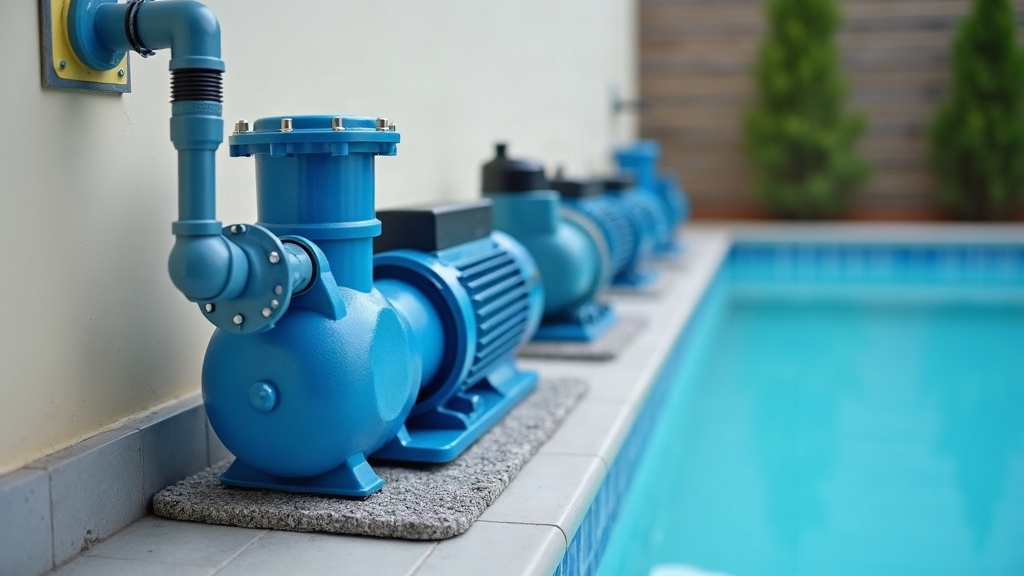
Ask why a particular pump, filter and heater size is being specified, and what running costs are expected to look like. A pump that is oversized for the pool wastes energy for the life of the equipment; one that is undersized struggles with circulation.
Worth asking:
- Is the recommended pump a variable speed model, and why or why not? See what a variable speed pump is and why it has become the standard choice for context on this question.
- If a heater is included, is it gas or a heat pump, and what drove that recommendation? The trade-offs are covered in the real difference between a gas heater and a heat pump.
- What filter type is being installed, and what does routine maintenance on it involve?
A builder should be able to explain these choices in plain terms, not just point at a brand name.
What should you ask about safety layers?
Ask what barrier, gate and alarm setup is planned, and confirm none of it is being presented as a substitute for supervision. A fence, a cover or an alarm are each one layer of protection — none of them replace a designated adult watching the water, especially where children are present.
It is reasonable to ask the builder directly how the layout affects sightlines from the house, since a pool that cannot be easily seen from indoor living space makes supervision harder by design. For a fuller picture of how these layers work together, see what layered pool safety actually means.
What should you ask about ongoing costs and maintenance?
Ask what the pool will realistically cost to run per year in energy, chemicals and routine servicing, and what maintenance tasks the owner is expected to take on personally. Builders are often focused on getting the pool built, not on what the next decade of ownership looks like.
It helps to go in already aware of the ongoing jobs nobody mentions before buying a pool and to have a general sense of what a pool costs to run each year, so the builder’s answer can be sanity-checked rather than accepted at face value.
What should you ask about warranties and references?
Ask what is covered under warranty, for how the builder defines coverage (not just “one year on everything”), and for contact details of past customers whose pools are now several years old — not just recent builds.
Useful questions:
- What specifically is covered under the shell warranty versus the equipment warranty, and are they handled by different parties?
- Is there a written process for warranty claims, and who is the point of contact once the crew has moved on?
- Can the builder provide references from projects finished two or more years ago, not only recent ones?
A pool that looked fine at handover can reveal problems only after a season or two of real use, so older references tell a more honest story than a fresh one.
What answers should raise concern?
Vague pricing, reluctance to name the licensed electrician or plumber doing the code-governed work, no mention of permits, and pressure to sign quickly are all worth treating as warning signs rather than normal sales tactics.
A builder confident in their work should be comfortable walking through every one of these questions without evasiveness. Taking notes during that conversation, and comparing answers across two or three builders, tends to reveal more about quality than any single quote on paper.
Before making a final decision, it is also worth stepping back and confirming the basics are still a good fit — including whether the climate and lifestyle really suit a pool at all, covered in whether a pool is a good idea in a short summer climate, and general category context available in Buying & Costs and Pool Basics.
Pools Shop publishes general information, not professional advice. Pool chemicals, electrical work and structural work are genuinely hazardous and are governed by local codes that vary — use a qualified professional for anything you are not certain about, and follow the instructions on the product in front of you rather than a general guide. Nothing here is a substitute for active adult supervision around water: no cover, alarm, fence or device makes a pool safe on its own.