Why Is a Pool Pump the Biggest Energy User in Most Pools?
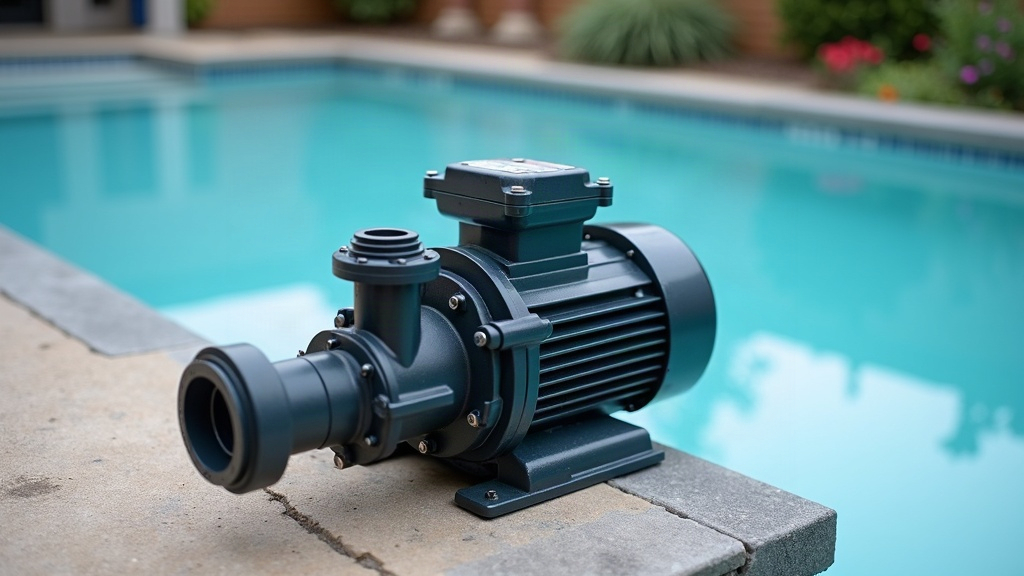
A pool pump usually runs for hours every single day, moving the entire volume of the pool through the filter, while most other pool equipment switches on briefly or only in season. That combination of long runtime and constant motor load is what makes it the single largest electricity draw in a typical backyard pool.
A pool heater can pull more power in any given moment, but it usually runs for shorter stretches and only when heating is wanted. The pump, by contrast, is the workhorse. It has to run long enough every day to keep the water circulating, filtered, and dosed with sanitizer, and that daily total adds up faster than almost anything else plugged into the house.
What Does the Pump Actually Have to Do All Day?
The pump has to physically move water from the pool, through the filter and any heater, past the sanitizing equipment, and back into the pool — continuously, in a loop, for enough hours each day to turn over the whole volume at least once. That mechanical work is what consumes the electricity.
It is not just pushing water in a circle. The pump has to overcome resistance from the filter, the plumbing, the skimmer and drain lines, and any bends or restrictions along the way. The harder the water is to move, the more power the motor draws to keep it moving. For a fuller picture of what the pump is doing mechanically, see what a pool pump actually does.
Why Does Runtime Matter So Much?
Runtime matters because electricity use is a function of both power draw and time. A pump does not need to be especially powerful to use a lot of electricity if it runs for many hours every day, which is exactly the schedule most pools need to stay clear and sanitized.
This is closely tied to turnover rate — the idea that pool water needs to pass through the filter a certain number of times per day to stay clean. Longer explanation of that concept is covered in what turnover rate is and why it matters, and the reasoning behind daily circulation itself is explained in why a pool needs to be circulated every day. Skipping circulation to save power is not a safe shortcut chemically — stagnant water loses its ability to stay sanitized and clear.
How Does Motor Type Change the Energy Picture?
Older single-speed pumps run at one fixed speed, whether the pool needs full flow or barely any. Variable speed pumps can run slower for routine circulation and only ramp up when higher flow is genuinely needed, which generally uses noticeably less electricity over a full day of operation.
The physics behind this comes down to how a pump’s power draw scales with its speed — pushing water faster takes disproportionately more energy, so running slower for longer can use less total power than running fast for a shorter time. The mechanics of this are explained in more detail in what a variable speed pump is and why it has become the standard choice. Any decision to replace a pump, resize plumbing, or change wiring at the equipment pad is electrical work and belongs with a licensed electrician or pool professional, not a weekend project.
What Else on the Equipment Pad Draws Power?
Heaters, salt chlorine generators, robotic cleaners, and automation systems all use electricity too, but generally in shorter bursts or smaller amounts compared with the pump’s daily runtime. The equipment pad is where all of this lives together, and understanding what is on it helps make sense of where energy is going.
- Heaters draw significant power but usually only run when heating is actively wanted, not continuously.
- Salt chlorine generators draw comparatively modest power, usually only while the pump is also running.
- Robotic cleaners run on their own separate cycle, independent of the main pump.
- Lighting and automation controls generally use very little power compared with the pump.
For a rundown of what typically sits on a pad and what each component does, see what a pool equipment pad is and what’s on it. That page is also a useful starting point for anyone comparing quotes, alongside the broader pumps, filters and heaters archive.
Does Filter Type Affect Pump Energy Use?
Yes — a filter that is dirty, undersized, or simply a higher-resistance design forces the pump to work harder to push the same amount of water through it, which increases energy draw. A clean, appropriately sized filter lets water move with less resistance.
This is one reason routine filter maintenance is not just a water-clarity issue but an energy issue too. Comparing filter types is covered in sand vs cartridge vs DE filters, and the difference between cleaning and backwashing — both of which restore normal flow — is explained in when a filter needs cleaning rather than backwashing.
What Makes a Pump Work Harder Than It Should?
A pump has to work harder, and therefore use more energy, whenever something restricts flow beyond what is normal for that pool’s plumbing and filter. Left unaddressed, this steadily raises the electric bill even though nothing about the pool’s actual circulation needs has changed.
- A clogged skimmer or pump basket restricting water intake.
- A filter overdue for cleaning or backwashing.
- Heavy leaf or debris load pulling through the system, discussed in dealing with pool leaves without wrecking the equipment.
- Scale buildup narrowing pipes or coating heat exchangers, covered in what scale is and why it forms.
- A pump or motor nearing the end of its working life and losing efficiency.
None of these are dramatic events on their own, but they compound. A pool owner who keeps baskets clear and stays on top of filter cleaning is also, indirectly, keeping the pump’s energy use in check.
Can Circulation Time Be Reduced Safely?
Circulation time can sometimes be adjusted, but it has to be based on the pool’s actual turnover needs, not simply cut to save electricity. Reducing runtime too far risks cloudy water, weaker sanitizer distribution, and conditions that let algae or scale get a foothold.
How circulation actually keeps a pool clear is explained in how a swimming pool actually circulates water. In practice, pools with variable speed pumps often find the better energy savings in running longer at a lower, gentler speed rather than running briefly at full speed — which brings the conversation back to motor type rather than simply “running the pump less.”
When Is It Time to Ask an Electrician or Pool Pro?
It is time to bring in a licensed electrician or pool professional whenever a pump is aging, tripping breakers, running unusually loud, or being considered for replacement, upgrade, or rewiring. Pump circuits, bonding and grounding near a body of water are code-governed work, not a DIY task.
A professional can also assess whether the existing pump is correctly sized for the pool’s plumbing and filter — a mismatch there can waste energy for years without ever being obvious to the owner. Anyone comparing pump options or budgeting for equipment upgrades may also find the buying and costs archive useful for understanding what drives those decisions, alongside the practical maintenance habits covered in the cleaning and maintenance archive.
Local electrical and building codes govern this kind of work and vary by location, so any pump replacement or rewiring should involve checking local code and permit requirements rather than assuming a one-size-fits-all standard applies.
Pools Shop publishes general information, not professional advice. Pool chemicals, electrical work and structural work are genuinely hazardous and are governed by local codes that vary — use a qualified professional for anything you are not certain about, and follow the instructions on the product in front of you rather than a general guide. Nothing here is a substitute for active adult supervision around water: no cover, alarm, fence or device makes a pool safe on its own.