Supervision matters most because it is the only layer that reacts. A cover, an alarm, a fence or a locked gate all reduce risk, but none of them can notice a child slip under the surface and respond in seconds. Only a designated adult watching the water can do that, every time, without a gap.
What does “supervision” actually mean at a pool?
It means one adult, assigned specifically to watch the water, doing nothing else at that moment. Not “someone’s around.” Not a parent chatting nearby with a phone in hand. A person whose only job, for that stretch of time, is watching swimmers.
Drowning is quiet. It rarely looks like the splashing and shouting people expect from films. A child in trouble in the water often goes under with barely a ripple, and it can happen in the time it takes to check a phone or answer a knock at the door. That is why “someone was home” is a very different thing from “someone was watching.”
Why isn’t a cover, fence or alarm enough on its own?
Each of those products does a real job, but each one also has a gap that only a person can close. A fence can be left open. An alarm sounds after someone is already in the water. A cover can be left off, or a child can find a way around the edge of it.
None of these products are described honestly as making a pool “safe” or “childproof,” because no single layer does that. Safety around water is built from several layers stacked together, and supervision is the layer that sits above all the others because it is the only one that can actually intervene. For a fuller picture of how the layers fit together, see what layered pool safety actually means.
What can a pool alarm actually do?
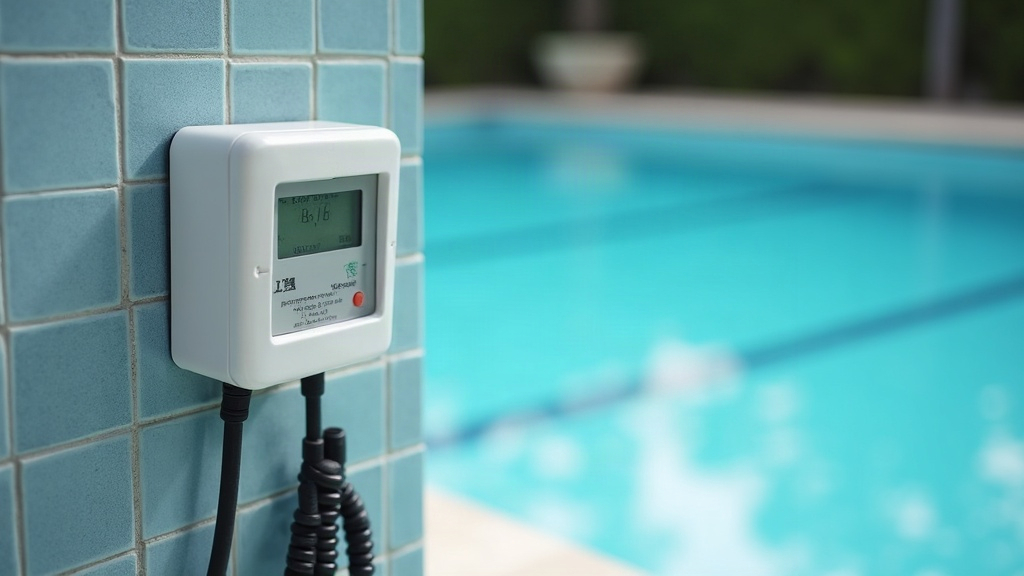
A pool alarm can alert people nearby that something has entered the water, which can shave crucial seconds off a response. It cannot watch continuously, cannot tell who or what triggered it, and cannot act. Its full value depends on someone being close enough to hear it and to respond immediately.
Alarms vary in what they detect and how they’re triggered, and it’s worth understanding those limits rather than assuming an alarm covers a gap in supervision. A closer look at what different alarm types can and cannot do is here: what a pool alarm can’t do.
Do fences and barriers actually prevent drowning?
A properly maintained barrier reduces the chance of a child reaching the water unsupervised, which is genuinely valuable. It does not prevent drowning by itself, because gates get propped open, latches wear out, and children are resourceful about finding gaps.
Barrier and fence requirements are also legal obligations in many places, not just good practice, and the specifics — height, gate self-closing mechanisms, gap sizes — vary by jurisdiction. Always check local code and permit requirements rather than assuming a standard that applies everywhere. A plain-language look at what these codes commonly cover is here: what pool barrier and fence codes typically require.
What about covers — don’t they stop access when the pool isn’t in use?
A properly rated safety cover, installed and used correctly, can reduce the chance of a child or pet falling into the water when the pool is closed for the season or not in use. It is a genuinely different product from a basic winter cover, which is designed to keep debris and sunlight out rather than to bear weight.
The difference matters and is easy to misunderstand when shopping for one — see safety cover vs winter cover: the real difference. But even a rated safety cover is a barrier, not a substitute for supervision whenever the pool is open and in use.
Why does supervision matter even for confident swimmers?
Swimming ability lowers risk but doesn’t eliminate it. Cramping, a knock on the head from a diving board or pool wall, sudden illness, exhaustion, or simply misjudging depth can happen to a strong swimmer just as easily as a beginner, and in each case a fast response from someone watching is what changes the outcome.
Lessons are one useful layer among several, but they’re a skill built over time, not a guarantee. The same logic applies to entrapment risks around drains and suction outlets, which is a separate hazard entirely from drowning by inattention — worth understanding on its own terms: what pool entrapment is and why drain covers changed.
Who should be the designated supervisor at a gathering?
One adult, named out loud, whose only task during their shift is watching the water — not cooking, not answering the door, not having a drink. That role should rotate on a schedule everyone agrees on before swimming starts, so there’s never a moment when everyone assumes someone else is watching.
- Agree on the supervisor and the shift length before anyone gets in the water.
- Remove distractions for that person — phone away, task-free, seated where the whole pool is visible.
- Hand off out loud: “You’re watching now” — not a silent assumption.
- Count heads regularly, especially at gatherings with several children in and out of the water.
- Keep young children and weak swimmers within arm’s reach in the water, not just in sight.
Does supervision matter at hot tubs and spas too?
Yes, and in some ways the risks are different but no less serious. Hot tub water is warmer and often deeper relative to a small child’s height at the seat line, and the same rule applies: an adult watching, not a cover or lock alone, is what responds if something goes wrong.
Hot tub owners often focus on water chemistry and running costs — reasonably, since those are ongoing concerns covered in the Hot Tubs & Spas section — but the supervision principle doesn’t change based on the size or temperature of the water.
How does this fit with everyday pool care?
Supervision is a habit, not a piece of equipment, and it sits alongside the routine work of keeping a pool running well. Good water chemistry, a working pump and filter, and a clear, well-lit pool all make it easier for a supervising adult to actually see what’s happening in the water. Cloudy or green water hides a struggling swimmer just as effectively as darkness does.
That’s one more reason routine maintenance isn’t just about clarity or comfort. The basics of keeping water chemistry in check are covered in the Water Chemistry section, and general upkeep habits are in Cleaning & Maintenance.
What should never be mixed up with supervision?
Pool chemicals themselves are a separate hazard entirely and deserve their own caution: chlorine-based products and acid must always be stored separately and never combined, since mixing them can produce dangerous gas. That’s a chemical storage issue, not a supervision issue, but it belongs in the same overall mindset of taking pool hazards seriously rather than assuming a single safeguard covers everything.
Likewise, equipment work — pumps, heaters, wiring, bonding near water — is licensed trade work, not a supervision substitute and not a weekend DIY project. If a pool’s equipment needs attention, that’s a separate conversation from who’s watching the water, and it’s worth reading about what that equipment actually does in the Pumps, Filters & Heaters section before deciding what needs a professional.
What’s the one habit that makes the biggest difference?
Naming a supervisor out loud, every single time the pool is in use, with no other task competing for their attention. It costs nothing, takes ten seconds to set up, and it’s the layer every other precaution is built to support rather than replace.
Barriers, alarms, covers and lessons all reduce risk in their own way, and each is worth having. But none of them watch the water the way a person can. For a broader view of how all these pieces are meant to work together, the Safety section covers the full set of layers in more detail, and what layered pool safety actually means is a good starting point for anyone building out a plan for their own pool.
Pools Shop publishes general information, not professional advice. Pool chemicals, electrical work and structural work are genuinely hazardous and are governed by local codes that vary — use a qualified professional for anything you are not certain about, and follow the instructions on the product in front of you rather than a general guide. Nothing here is a substitute for active adult supervision around water: no cover, alarm, fence or device makes a pool safe on its own.