Phosphate is a nutrient that washes or blows into pool water from leaves, dust, fertilizer, and some tap water sources. It does not harm swimmers directly and isn’t a sanitizer or pH issue. It matters mainly because it can act as food for algae, especially when chlorine levels slip.
What exactly is phosphate?
Phosphate is a naturally occurring compound made of phosphorus and oxygen. It’s found in decomposing organic matter, some fertilizers, certain minerals, and even in a few pool chemicals and scale-preventing products. In pool water, it dissolves and stays suspended, usually invisible to the eye.
On its own, phosphate is not toxic to swimmers and is not something a body reacts to in the way it reacts to poor pH or low sanitizer. It is not tested for as a health measure. It is tested for because of what it can feed.
Where does phosphate in a pool actually come from?
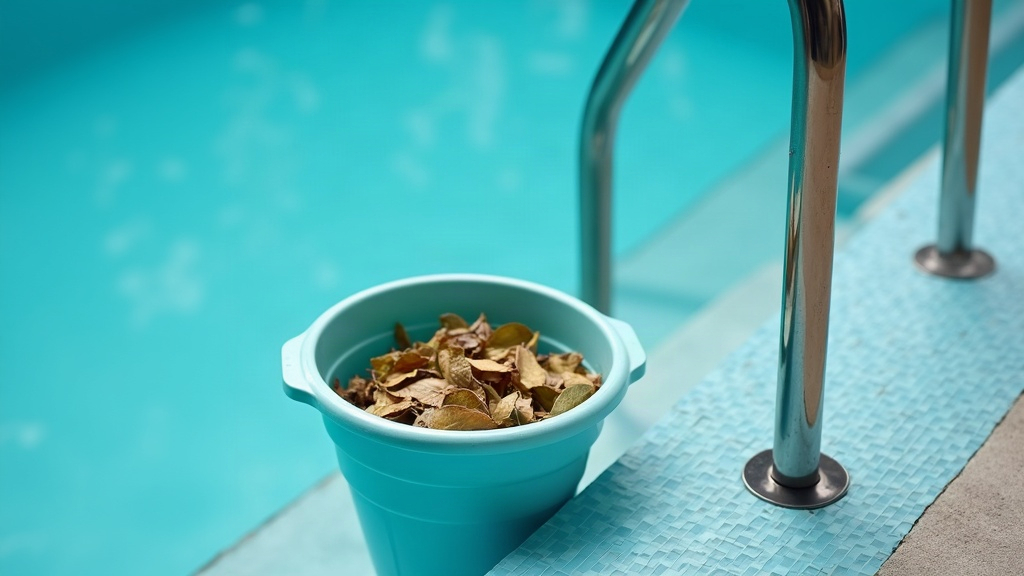
Most phosphate arrives from outside the pool rather than from anything owners add on purpose. Common sources include decaying leaves and grass clippings, dust and pollen, some fertilizers used nearby, certain sunscreens and lotions, and occasionally the fill water itself.
- Leaves, twigs, and organic debris breaking down in the water or skimmer
- Lawn and garden fertilizer runoff or wind drift
- Some scale inhibitors and metal sequestrants that contain phosphorus compounds
- Fill water from a well or municipal source with naturally higher mineral content
- Rain washing debris and dust into an open pool, which is covered in more detail in why rain changes pool water chemistry
Because debris is such a common contributor, pools near trees or heavily landscaped yards tend to run higher phosphate levels than pools in more open, paved surroundings.
Does phosphate cause algae by itself?
No. Phosphate alone does not create an algae bloom. Algae needs sunlight, warmth, and a food source, and phosphate is one possible food source among several. Algae can and does grow in pools with very low phosphate readings if chlorine is inconsistent.
What phosphate does is remove one obstacle for algae that already has an opportunity to grow. If chlorine falls low for even a short stretch — a hot week, a skipped test, a sudden rainstorm — a pool carrying a lot of phosphate may support a faster, more stubborn bloom than one with very little. For a fuller picture of what actually triggers blooms, see what causes algae to take hold in a pool.
Does phosphate affect chlorine directly?
Not in the way pH or cyanuric acid do. Phosphate doesn’t consume chlorine on contact and isn’t part of the chemical reactions that create chlorine lock or chlorine odor. Those issues have separate causes, explained in what is chlorine lock and what actually causes it and why a pool smells of chlorine when chlorine is low.
The real relationship is indirect: if algae takes hold because chlorine dropped, phosphate can make that algae outbreak more persistent and harder to fully clear, because there’s more food available for it to keep regrowing.
How is phosphate tested?
Phosphate is measured with a dedicated test — most standard test strips and basic liquid kits do not include it. Owners who want a reading typically buy a specific phosphate test kit or bring a water sample to a pool store that offers full-panel testing.
Because it’s a separate test from the routine chlorine, pH, and alkalinity checks, many owners only test for phosphate if they’re already fighting recurring algae and want to understand why. For a comparison of general testing approaches, see pool test strips versus liquid test kits.
Do I need to worry about phosphate in a normal, well-maintained pool?
Generally, no. A pool with consistent sanitizer levels, regular circulation, and routine cleaning rarely has a phosphate problem worth chasing. Phosphate becomes relevant mainly when algae keeps returning despite chlorine looking fine on paper.
Signs phosphate might be worth investigating include:
- Algae that returns quickly after being treated, even with steady chlorine readings
- A pool surrounded by heavy tree cover, lawn, or garden beds
- Water that stays slightly hazy or dull green-tinted despite normal sanitizer and clarity steps outlined in what actually makes pool water clear
- A well or unusually mineral-heavy fill water source
If none of those apply, phosphate is usually not the piece of the puzzle worth spending time or money on.
What actually removes phosphate from pool water?
Dedicated phosphate remover products exist and work by binding phosphate into a form the filter can capture and remove. They do not sanitize water, adjust pH, or replace chlorine — they only address this one nutrient.
As with any pool chemical, the correct amount depends on the pool’s volume, the current phosphate reading, and the specific product’s concentration, so follow the label on the product in front of you rather than a general rule. Store any pool chemical separately from chlorine products and never mix chemicals together directly — combining chlorine with acid-based products can produce dangerous gas.
Reducing the sources helps too: skimming debris promptly, keeping filtration running on a proper schedule (see why a pool needs daily circulation), and trimming back plantings that shed leaves and pollen into the water.
Does a saltwater pool have different phosphate concerns?
Not fundamentally. A saltwater system still relies on chlorine generated from salt to sanitize the water, and phosphate interacts with that chlorine the same way it would with any other chlorine source. For background on how these systems actually work, see what a saltwater pool is actually doing and whether saltwater pools still use chlorine.
How does phosphate fit into the bigger water chemistry picture?
Phosphate is a secondary factor, not a primary one. The core numbers that keep a pool balanced and swimmer-comfortable are still sanitizer level, pH, total alkalinity, and calcium hardness. Those are covered in detail in what pH is and why it matters, total alkalinity versus pH, and why calcium hardness matters.
Phosphate sits alongside those as a background condition — worth knowing about, but not something to test weekly unless algae keeps coming back for no obvious reason. For a wider grounding in routine water testing and balance, the water chemistry section covers the fundamentals, and the pool basics section is a good starting point for anyone still getting familiar with routine care.
The bottom line
Phosphate itself won’t irritate skin, throw off pH, or make a pool unsafe to swim in. It matters only as a potential food source for algae when chlorine dips. Most well-run pools never need to think about it — it becomes worth testing and treating specifically when algae keeps returning despite everything else looking right.
Pools Shop publishes general information, not professional advice. Pool chemicals, electrical work and structural work are genuinely hazardous and are governed by local codes that vary — use a qualified professional for anything you are not certain about, and follow the instructions on the product in front of you rather than a general guide. Nothing here is a substitute for active adult supervision around water: no cover, alarm, fence or device makes a pool safe on its own.