Buying a pool means signing up for weekly water testing and adjusting, regular cleaning and brushing, filter upkeep, seasonal opening and closing, equipment checks, and a steady stream of costs for chemicals, energy and water. None of it is hard on its own, but together it is a standing weekly commitment, not a one-time purchase.
Sales conversations tend to focus on the pool itself — the shape, the size, the finish. The recurring labour that keeps it clear, balanced and running gets far less airtime. This is the list a new owner usually wishes someone had walked through first.
What does weekly water testing actually involve?
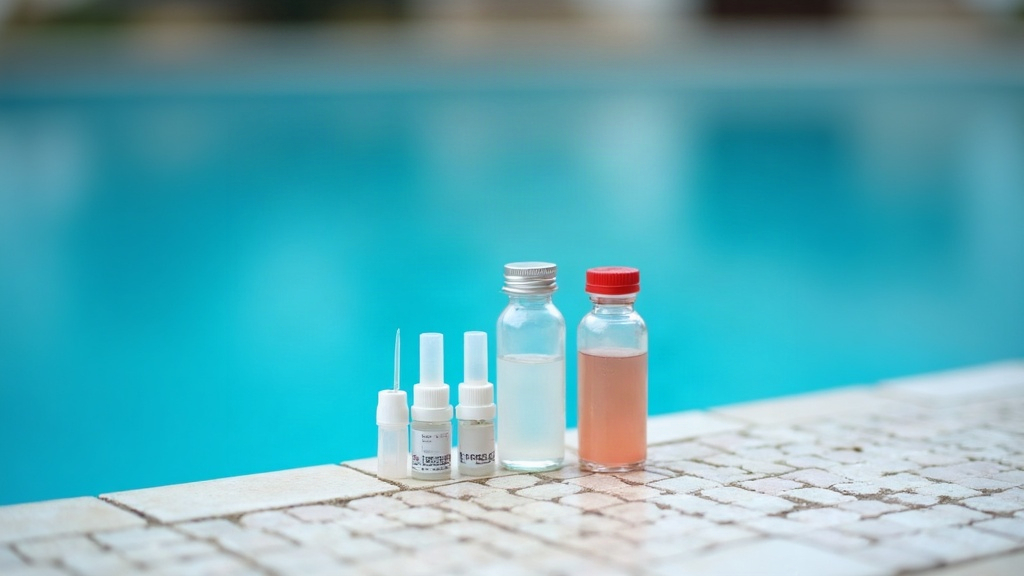
Water needs checking several times a week for sanitiser level, pH and a few other readings, then adjusting based on what the test shows. It is a routine, not a one-off task, and skipping weeks is how a pool ends up cloudy or green.
Test strips are quick; liquid kits are more precise. Either way, the numbers drive the decision about what to add, and always by following the product label in front of the owner rather than a fixed formula. For a fuller picture of what each reading means, the water chemistry hub covers pH, alkalinity, sanitiser and stabiliser in plain terms, and the piece on test strips vs liquid test kits is a useful starting point for choosing a method.
Chemicals also need proper storage — kept separate from one another, in a dry, ventilated space, away from anything that could tip or leak onto them. Chlorine-based products and acid must never be mixed or stored where they could combine; that combination produces toxic gas and has killed people. More on safe handling is in pool chemicals and storage and why pool chemicals should never be mixed.
How much physical cleaning does a pool need?
Beyond swimming, a pool needs regular skimming, brushing of walls and steps, emptying of skimmer and pump baskets, and vacuuming or a robotic cleaner running on a schedule. Leaves, pollen and debris that sit too long feed algae and stain surfaces.
Brushing matters even in a pool that looks clean, because it disrupts the film of biofilm and scale that forms on surfaces before it becomes visible. The brushing frequency guide and the piece on handling leaves without wrecking the equipment both cover the routine side. Choosing a cleaner — suction, pressure or robotic — is its own decision, laid out in this comparison.
What upkeep do the pump and filter need?
The pump and filter need baskets emptied, pressure checked, and the filter cleaned or backwashed on a schedule tied to how the pressure gauge reads, not the calendar. Ignoring this reduces circulation and lets water quality slip even when chemicals are balanced correctly.
A rising pressure gauge is usually the first sign a filter needs attention; the guide to what a filter pressure gauge tells you explains what to watch for. Pumps themselves wear over time, and signs a pool pump is failing is worth reading before a strange noise turns into a bigger repair. The pumps, filters and heaters hub is a good home base for this whole category of ongoing work.
What happens at the start and end of each season?
Opening and closing a pool are each their own multi-step job — checking equipment, restarting circulation and rebalancing water in spring, then lowering water, protecting plumbing and fitting a cover in autumn. Skipping steps in either direction causes problems that surface weeks later.
Closing badly is one of the more expensive mistakes an owner can make, because water left in lines over a cold season can cause damage that is not visible until reopening. The winterising guide and why blowing out the lines matters explain why the sequence is not optional. On the other end, what actually happens when a pool is opened lays out what to expect. The full opening and closing hub covers both ends of the calendar.
What ongoing costs catch new owners off guard?
The costs that surprise new owners are usually the recurring ones: chemicals, electricity to run the pump (and heater, if fitted), water to top up evaporation, and periodic equipment servicing or replacement. None of these show up on the purchase price.
- Energy for the pump, which typically runs for many hours a day and is one of the largest ongoing draws in the whole system
- Chemicals bought regularly, not as a single stock-up
- Water lost to evaporation and splash-out, replaced over the season
- Filter media, cartridges or other wearing parts replaced on their own schedule
The annual running cost guide breaks these down further, and why the pump is usually the biggest energy user explains where a lot of that electricity goes. Anyone still deciding whether to buy should also read what actually drives installation cost, since the ongoing bill and the upfront bill are shaped by different things.
Which jobs should not be done by the owner directly?
Anything involving pump or heater wiring, pool lighting, bonding, grounding, or structural and excavation work is licensed trade work, not a weekend project. These jobs sit near water and electricity together, and code exists for exactly that reason.
An owner can still ask informed questions — about permits, about how a job was bonded and grounded, about what inspection was done — without doing the wiring. The electrical hazards guide and what bonding and grounding actually means are useful background before any conversation with a licensed electrician. Local code and permit requirements vary by area, so checking with the local authority before any electrical or structural work is not optional extra caution — it is the baseline.
Does safety stay a one-time setup or an ongoing job too?
Safety is ongoing, not a box ticked at installation. Barriers, gates, covers and alarms all need periodic checking — gate self-closers can weaken, cover locks can wear, alarm batteries can die — and none of them, working or not, replace a designated adult watching the water whenever anyone is near it.
Layered safety means several things working together: a code-compliant barrier, a properly functioning alarm, a cover used correctly, and active supervision, with supervision as the layer that actually matters moment to moment. The layered safety explainer and why supervision still matters most go into this properly. For a wider view of what an ongoing safety routine looks like, the safety hub is worth bookmarking, and what should be in a pool area first aid setup is worth setting up before it is needed rather than after.
Is a hot tub any less ongoing work than a pool?
A hot tub is smaller but its water turns over faster and needs more frequent attention, not less — smaller volume and higher temperature both push sanitiser demand and biofilm growth harder. Filters, covers and full water changes all need their own regular schedule.
Owners moving from “pool later” to “hot tub now” sometimes assume less water means less work; in practice the testing frequency is often higher. The hot tubs and spas hub covers this in depth, and why hot tubs need more frequent water changes explains the underlying reason.
What is the honest way to plan for this before buying?
The honest approach is to treat a pool as a weekly chore plus a seasonal project plus a running bill, and to plan time and budget for all three before signing anything. Reading through the buying and costs hub and comparing pool types in above ground vs in ground: the real difference gives a clearer sense of what different setups actually demand month to month, not just what they cost to install.
None of this is a reason to avoid pool ownership — plenty of owners settle into the routine without much trouble. It is simply the part of the picture that a showroom conversation rarely covers, and the part that determines whether the pool stays enjoyable or becomes a source of ongoing frustration.
Pools Shop publishes general information, not professional advice. Pool chemicals, electrical work and structural work are genuinely hazardous and are governed by local codes that vary — use a qualified professional for anything you are not certain about, and follow the instructions on the product in front of you rather than a general guide. Nothing here is a substitute for active adult supervision around water: no cover, alarm, fence or device makes a pool safe on its own.